Quick answer
Start with the work you do most. Digging depth, lifting needs, site access and how you move the machine between jobs decide whether you need a mini, midsize, full-size or wheeled excavator. Confirm ratings from the specific machine's documentation, and check hours, the undercarriage, hydraulics and service records.
What should you look for when buying a used excavator?
Look for a machine sized for your work, with hours that match its condition and records that back them up. Check the undercarriage, boom and stick for cracks and welds, pins and bushings for play, and the hydraulics for leaks and slow response, then run every function and confirm which attachments come with it.
- The digging depth, reach and lifting your jobs call for
- Site access, tail swing and working room on your jobs
- How you will move it, and whether your trailer and truck are rated for it
- Hours, service records and undercarriage condition
- Buckets, thumb, coupler and attachments included
What size excavator do you need?
Buy for the jobs you do most, not the biggest job you might bid. Mini excavators suit tight residential and utility sites, midsize machines cover general site work and trenching, and full-size crawlers handle mass excavation and heavy lifting. Wheeled excavators suit road and utility work where the machine moves on pavement.
Mini and compact excavators
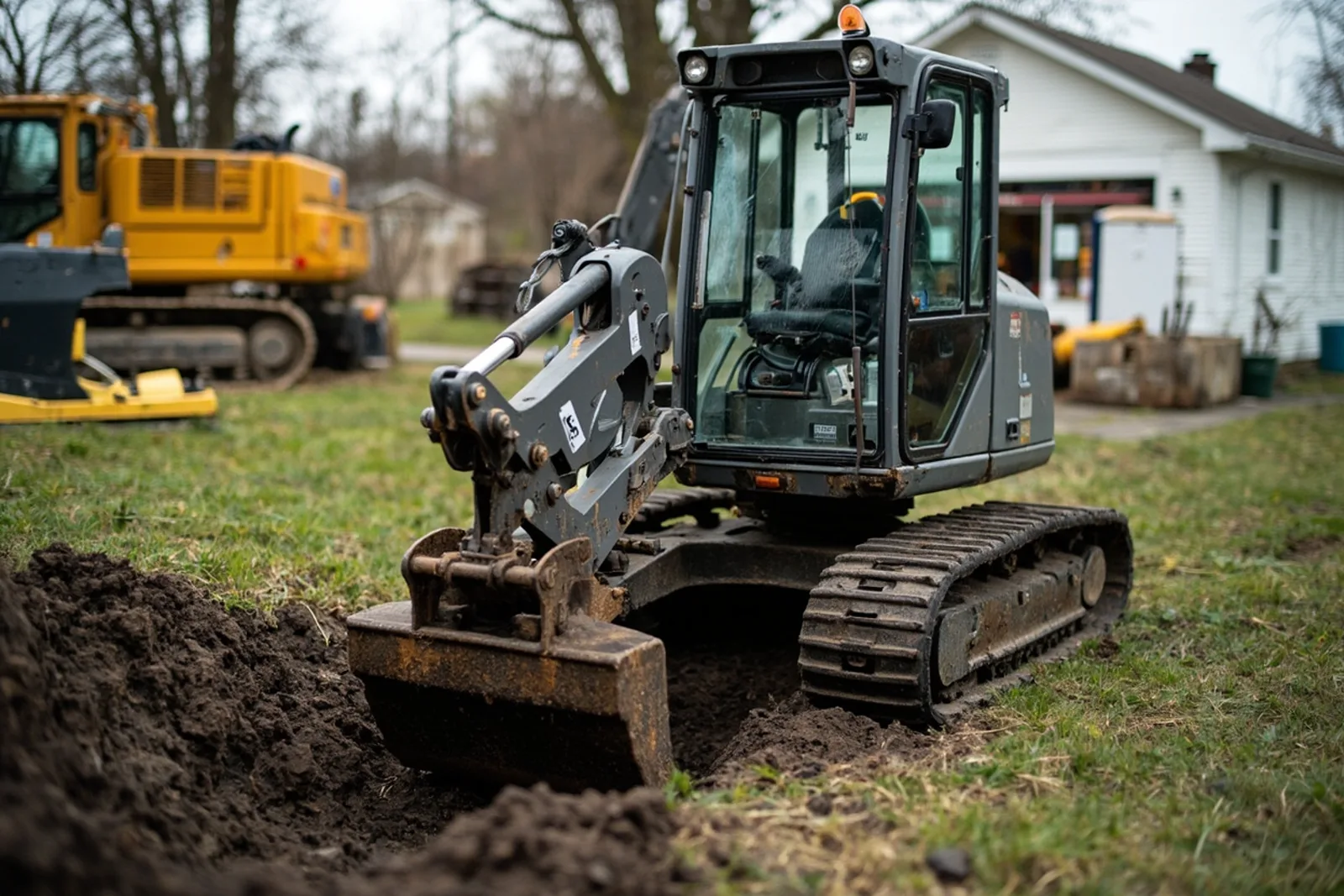
Tight access, landscaping, pools and utility work. Compare digging depth, tail swing and what your trailer can carry.
Midsize crawler excavators
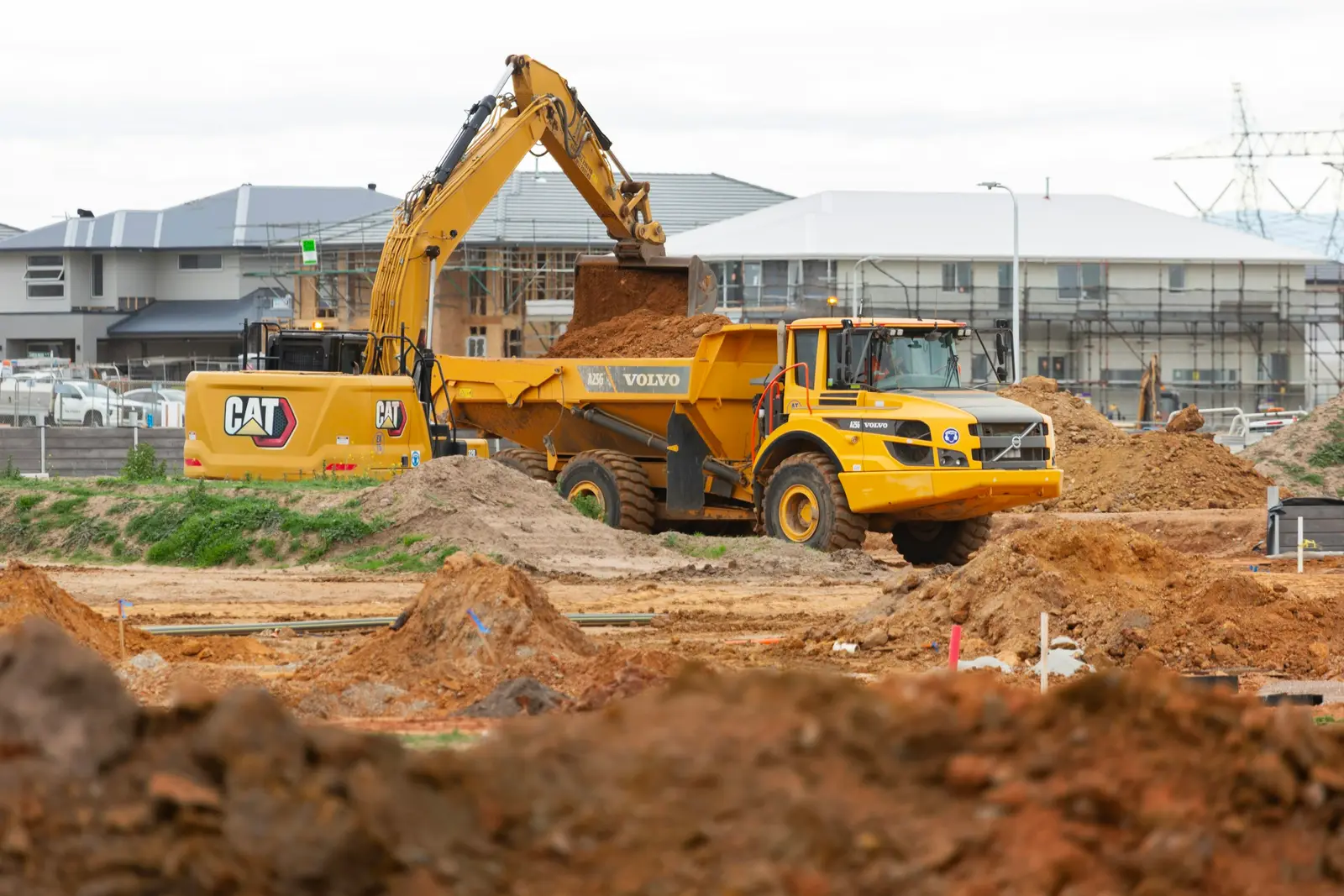
General site work, trenching and loading trucks. Compare reach, lifting documentation and transport requirements.
Full-size crawler excavators
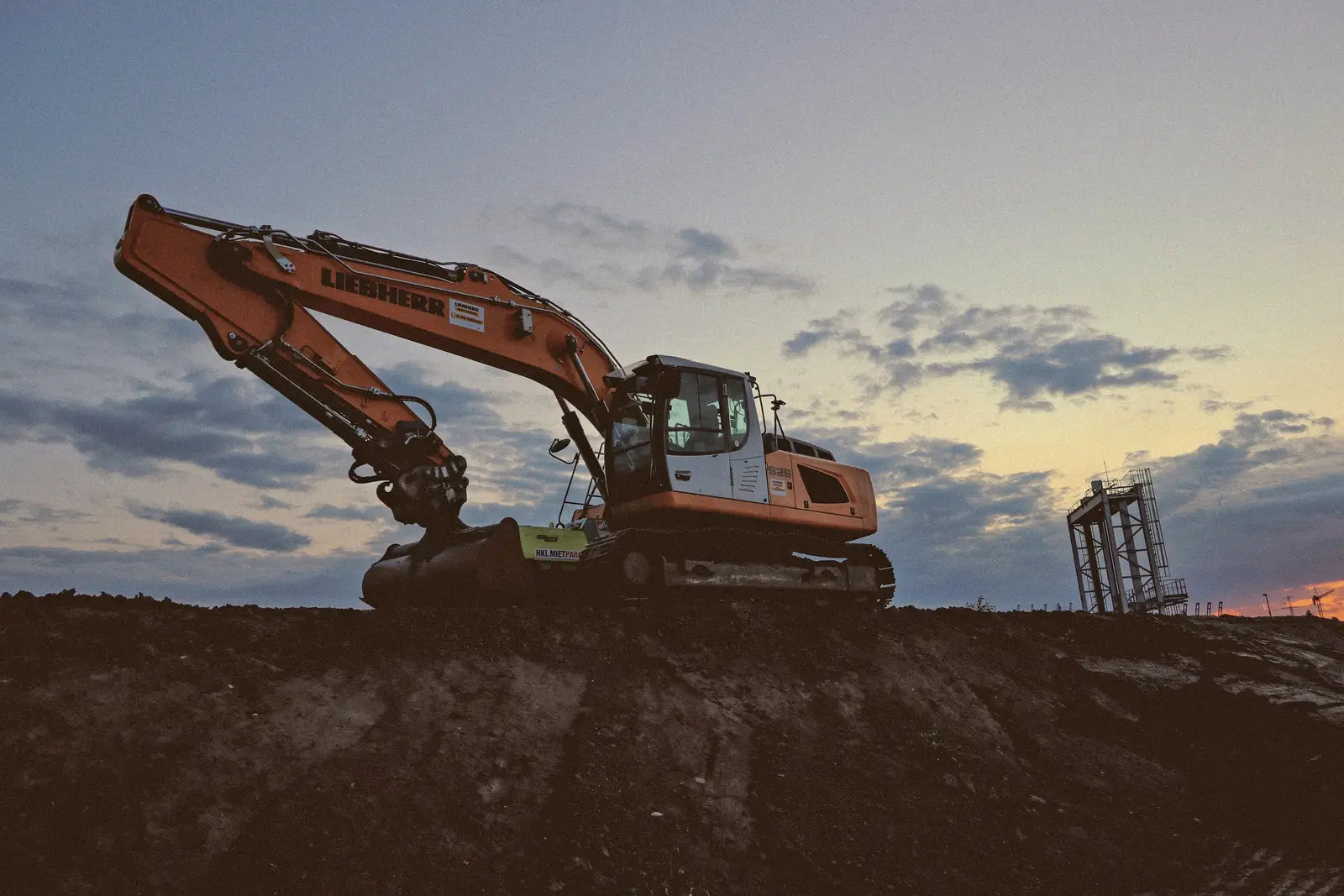
Mass excavation, demolition and pipeline work. Transport permits, undercarriage cost and operator experience matter most.
Wheeled excavators
Road, utility and municipal work on pavement. Check the tires, axles, outriggers or blade along with the usual excavator items.
Many contractors pair a mini excavator with a skid steer or compact track loader for grading and backfill. If you are buying both, tell us so they can be quoted together.
How much does an excavator cost?
An excavator's price depends on its size class, age, hours, condition and seller. Undercarriage wear, a cab or canopy, the attachments included and whether it comes from a dealer, an auction or a rental fleet all change the number. Get a written quote for the specific machine, and budget separately for transport, attachments and repairs an inspection turns up.
How do you inspect a used excavator?
Inspect the undercarriage, the upper structure and the paperwork separately. Check tracks, rollers, idlers and sprockets for wear, look over the boom and stick for cracks and welds, check pins and bushings for play, and run every hydraulic function and the swing. Then confirm the serial number, hour meter, ownership and any liens.
Questions to ask the seller
- What kind of work has this machine done, and was it in a rental fleet?
- Can you show the service records and any oil sample reports?
- When were the tracks, rollers or other undercarriage parts last replaced?
- Can my mechanic inspect it and run every function before I commit?
What to have ready for a quote
- The listing link or written quote
- Who is selling it: a dealer, a private seller or an auction
- Year, make, model and hours or miles, if known
- The price and exactly what it includes
- When you need the equipment working
Share the listing or quote, the attachments you want included and your timing. Options for new and used excavators depend on your business, the machine and the financing provider's review. See excavator financing for what lenders commonly look at.
Frequently asked questions
Is buying an excavator a good investment?
It can be when the machine will be busy on your own jobs or rented out steadily. Compare the full cost of owning it, including payments, transport, insurance, maintenance and undercarriage wear, with what you spend renting today. If you rent an excavator on most jobs, owning one may be worth pricing out.
Mini excavator vs skid steer: which should you buy?
They do different jobs. A mini excavator digs, trenches and lifts, while a skid steer or compact track loader grades, backfills and moves material. Many contractors end up owning both. Buy the one that matches the work you rent for most often, or price them together.
Is buying a used mini excavator worth it?
A used mini excavator can make sense when its hours, undercarriage and service records check out and the price reflects its condition. Have a mechanic inspect it, run every function and compare the quote with the cost of the repairs it needs. See the new vs used equipment guide for more.
Can you finance a used excavator?
Used excavators are commonly financed through third-party lenders, who look at the year, hours, undercarriage condition and service history along with your business. Requirements vary by lender. See excavator financing for what lenders look at.
Can you lease an excavator?
Some lenders offer excavator leases, including structures that end with an option to buy, alongside loans. Which fits depends on how long you will run the machine and what you want at the end of the term. See equipment leasing vs financing to compare the two.
Confirm each item in writing for the specific machine you are buying.
Read: Heavy Equipment Financing for Construction Contractors
Buying checklist
Undercarriage
- Track, roller, idler and sprocket wear
- Track tension and final drive leaks
- Tires and axles, if the machine is wheeled
Boom, stick and attachments
- Cracks, welds or repairs on the boom and stick
- Play in pins and bushings
- Buckets, thumb and coupler included and in working order
Engine and hydraulics
- Hour meter reading and service records
- Hydraulic leaks, hoses and cylinder condition
- Swing, travel and all functions responding smoothly
Paperwork
- Serial number matching the documents
- Proof of ownership and any recorded liens
- Warranty or as-is terms