Excavator Financing
Excavator financing lets your business put a mini or full-size excavator to work and pay for it over time: a third-party lender pays the seller, and your business repays on agreed terms. Send the machine details, and Ironmark follows up personally and connects you with a financing specialist.
- Mini and compact excavators
- Midsize and full-size crawler excavators
- Wheeled excavators for road and utility work
- Buckets, thumbs and other attachments
Get a Quick Quote
Tell us about the equipment. A real person follows up with options.
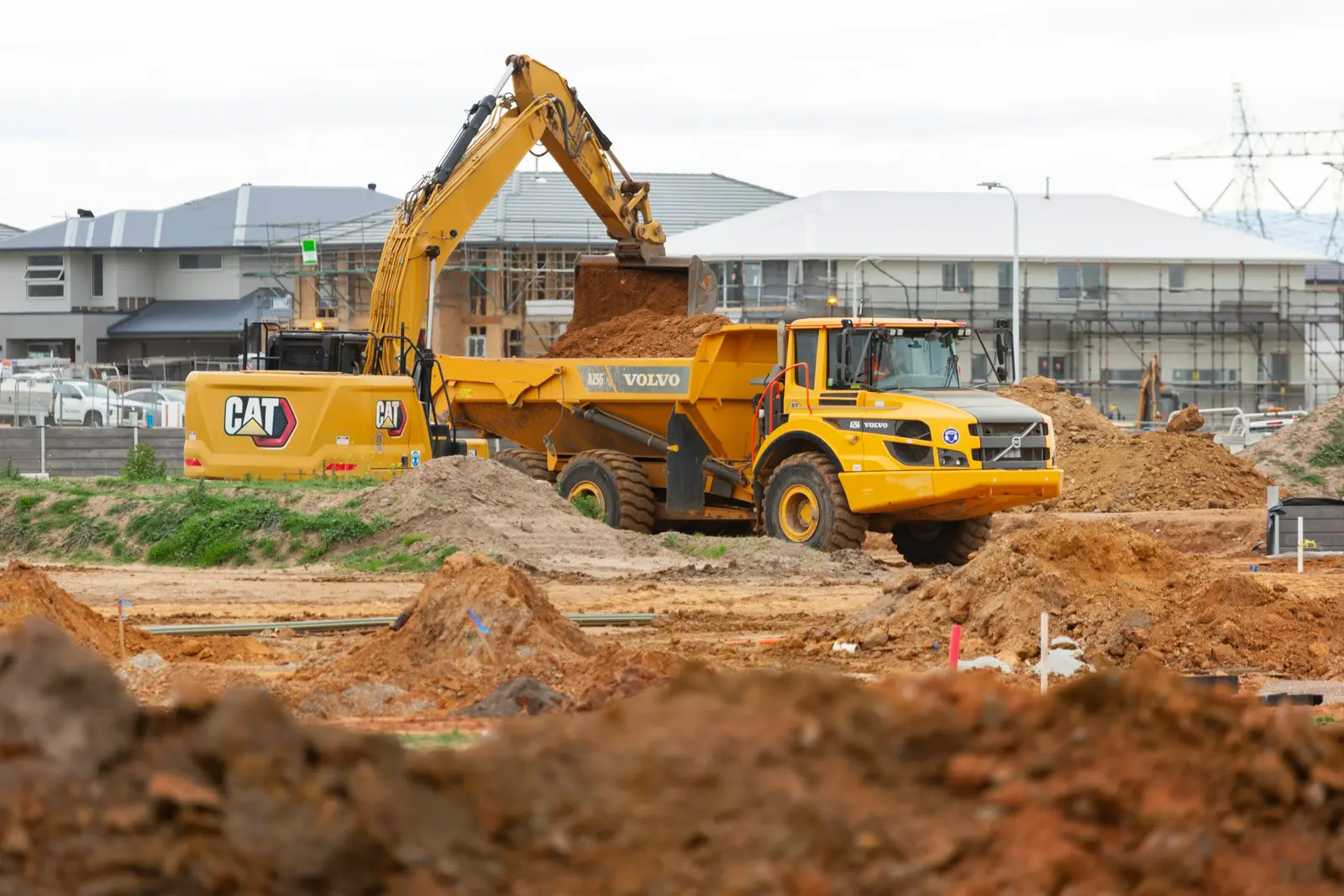
How does excavator financing work?
Excavator financing works like most equipment financing. You choose the machine and get a written quote or listing that covers the excavator and the attachments that come with it. A financing specialist reviews your business and the equipment and explains the options, which can include an equipment loan or a lease. If a third-party lender approves the request, it pays the seller and your business makes payments over the agreed term, with the equipment typically serving as collateral.
Many contractors finance so cash stays available for payroll, fuel, transport and the gap between finishing work and getting paid. Owning a machine instead of renting it can also make sense once it is busy on most jobs. Lenders generally view excavators as working equipment with an active resale market, and they review the hours, undercarriage and service history of a used machine closely. Terms vary by lender and deal, and every request is subject to approval.
A useful quote covers the year, make, model, serial number and hours, the size class, whether it is on tracks or wheels, and the undercarriage condition. List the buckets, thumb, coupler and any other attachments, and whether the machine is new, used or coming off a rental fleet. Who is selling it and what the price includes matter too. Send those details through the Quick Quote and Ironmark will follow up personally and connect you with a third-party financing specialist.
What you can finance
New and used units from dealers, auctions and private sellers, depending on the lender.
Mini excavators
Small machines for utility work, landscaping, pools and tight residential sites.
Compact and midsize excavators
Machines for site prep, trenching and general contracting that still move between jobs on a trailer.
Full-size crawler excavators
Larger tracked machines for mass excavation, demolition, pipeline and heavy site work.
Wheeled excavators
Excavators on rubber tires for road, utility and municipal work where the machine moves between spots on pavement.
Attachments
Buckets, thumbs, quick couplers, breakers, augers and mulchers bought with the machine or on their own.
Skid steers and compact track loaders
Loaders often bought alongside a mini excavator to grade, backfill and move material on the same jobs.
Used and rental fleet excavators
Pre-owned machines and units coming off rental fleets, with hour meter readings and service records.
Businesses we work with
- Excavation and site work contractors
- Utility and underground contractors
- Landscaping and hardscape companies
- Pool builders
- Demolition and land clearing
- Septic installers
- General and residential contractors
What lenders look at
Every lender has its own criteria. These are the things that commonly shape the options for this equipment.
Time in business and industry experience
Lenders commonly look at how long the business has operated and the owner's experience running equipment or managing site work. A newer company run by an experienced operator can present differently than a startup with no construction background.
Credit and financial history
Personal and business credit history are typically reviewed. Larger machines or several units at once may call for bank statements, tax returns or financial statements.
Hours, undercarriage and service history
For a used excavator, lenders weigh the year and hours along with the condition of the undercarriage, hydraulics and swing system. Service records and oil sample reports help explain a machine's condition.
Who is selling the machine
Dealer, auction, rental fleet and private-party sales are handled differently. Private purchases may require proof of ownership and a lien search before a lender moves forward.
Work lined up for the machine
Backlog, signed contracts or steady customers can help a lender understand how the machine will earn. An itemized quote that separates the machine from attachments keeps the request clear.
Financing is provided by third-party lenders, subject to their review and approval. Ironmark is not a lender.
Before you apply
- 1Get the year, make, model, serial number and hour meter reading in writing from the seller.
- 2Ask for service records and any oil sample reports, and when the undercarriage was last replaced.
- 3List every bucket, thumb, coupler and attachment you expect with the machine on the written quote.
- 4Check that the trailer and truck you plan to use are rated to move the machine you are buying.
- 5Have your backlog, contracts or recent business bank statements ready in case the lender asks for them.
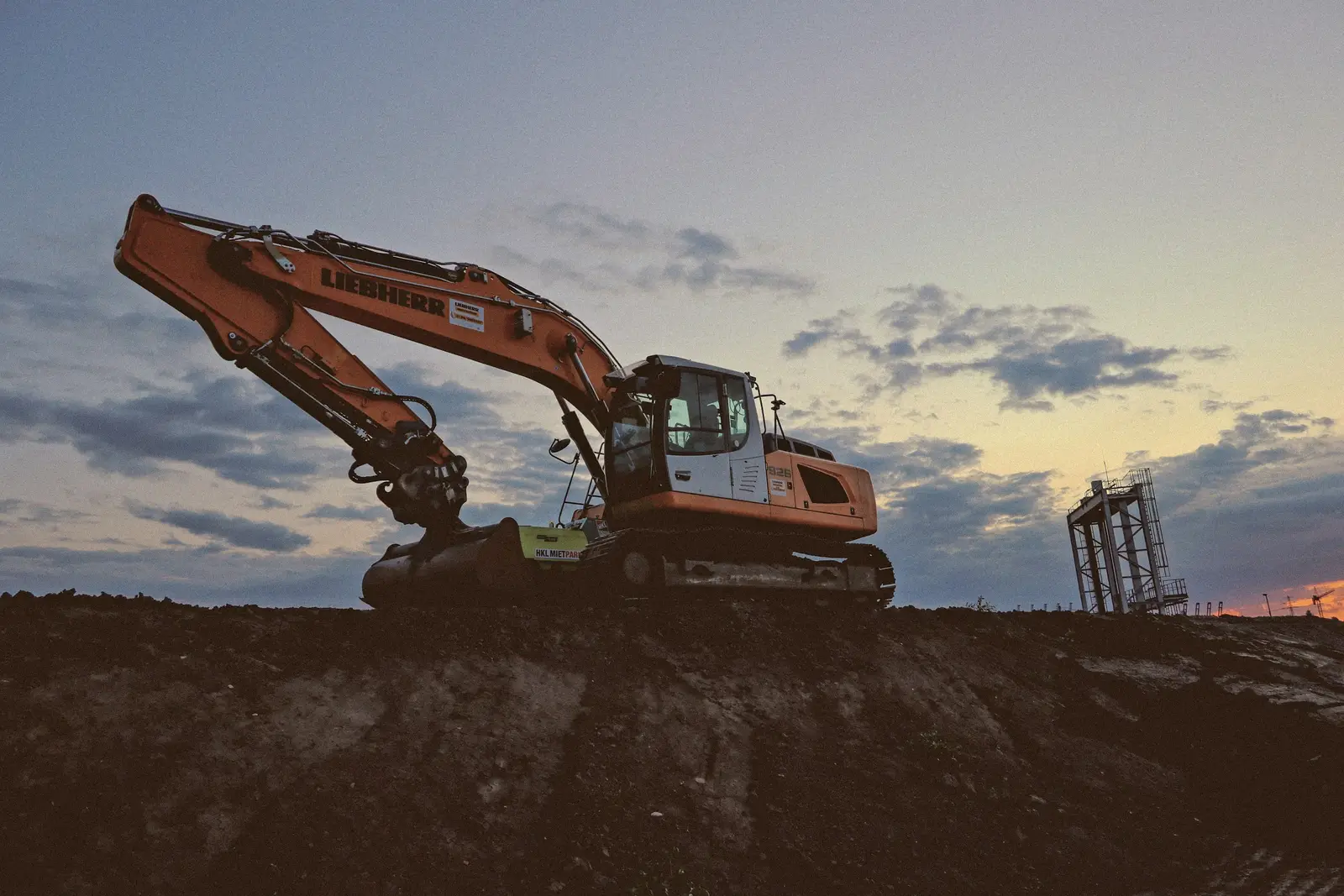 Buying guideExcavators buying guide and inspection checklistWhat to compare, what to ask the seller and a checklist to take to the lot.Read the guide
Excavator Financing FAQs
Can you finance a used excavator?
Yes, used excavators are commonly financed, whether bought from a dealer, an auction, a rental fleet or a private seller. Lenders tend to look at the year, hours, undercarriage condition and service history. Whether a specific machine qualifies depends on the lender and the deal.
Can you get excavator financing with bad credit?
Some lenders work with owners whose credit is less than perfect, but there is no guarantee of approval. Lenders weigh credit together with time in business, cash flow, industry experience and the machine itself, and requirements vary by lender. Backlog or signed contracts you can document may help a lender understand your business.
How long can you finance a mini excavator?
Terms are set by the lender and depend on the machine's age and hours, the amount financed and your business profile. A lender may offer a shorter term on an older used machine than on a newer one. Ask the financing specialist to explain the term, payment and total cost for your specific excavator.
Can you lease an excavator?
Leasing is one of the structures lenders may offer for excavators, alongside equipment loans, and some leases end with an option to buy the machine. Compare the total cost and what happens when the term ends before you choose. Your accountant can explain how each structure affects your taxes.
Can you finance an excavator bought at auction or from a private seller?
Often, yes, though lenders usually want more detail than on a dealer sale: the serial number, hour meter reading, photos, proof the seller owns the machine and a plan to clear any existing lien at closing. Share the listing or auction lot with your Quick Quote so the right questions come up early.
Ready to talk about your equipment?
Send a Quick Quote with the equipment and approximate cost. A real person follows up with your options.