Quick answer
Yes, vacuum trucks can be financed. Septic pumpers, combination sewer cleaners and industrial vacuum loaders are commonly financed with an equipment loan or lease, and the truck itself serves as collateral. Lenders tend to review time in business, credit history, cash flow, and the truck's age and condition. A written seller quote with the VIN, pump hours and tank details keeps the request moving.
A vacuum truck is often the most expensive asset a septic, sewer or industrial cleaning company owns, and it is also the one that earns the money. When a pump truck starts eating the repair budget, or a new contract calls for a combination unit you do not have, the financing question comes up fast. This guide covers how vac truck financing works, what lenders want to see, and how to check the truck so the deal holds together.
Can you finance a vacuum truck?
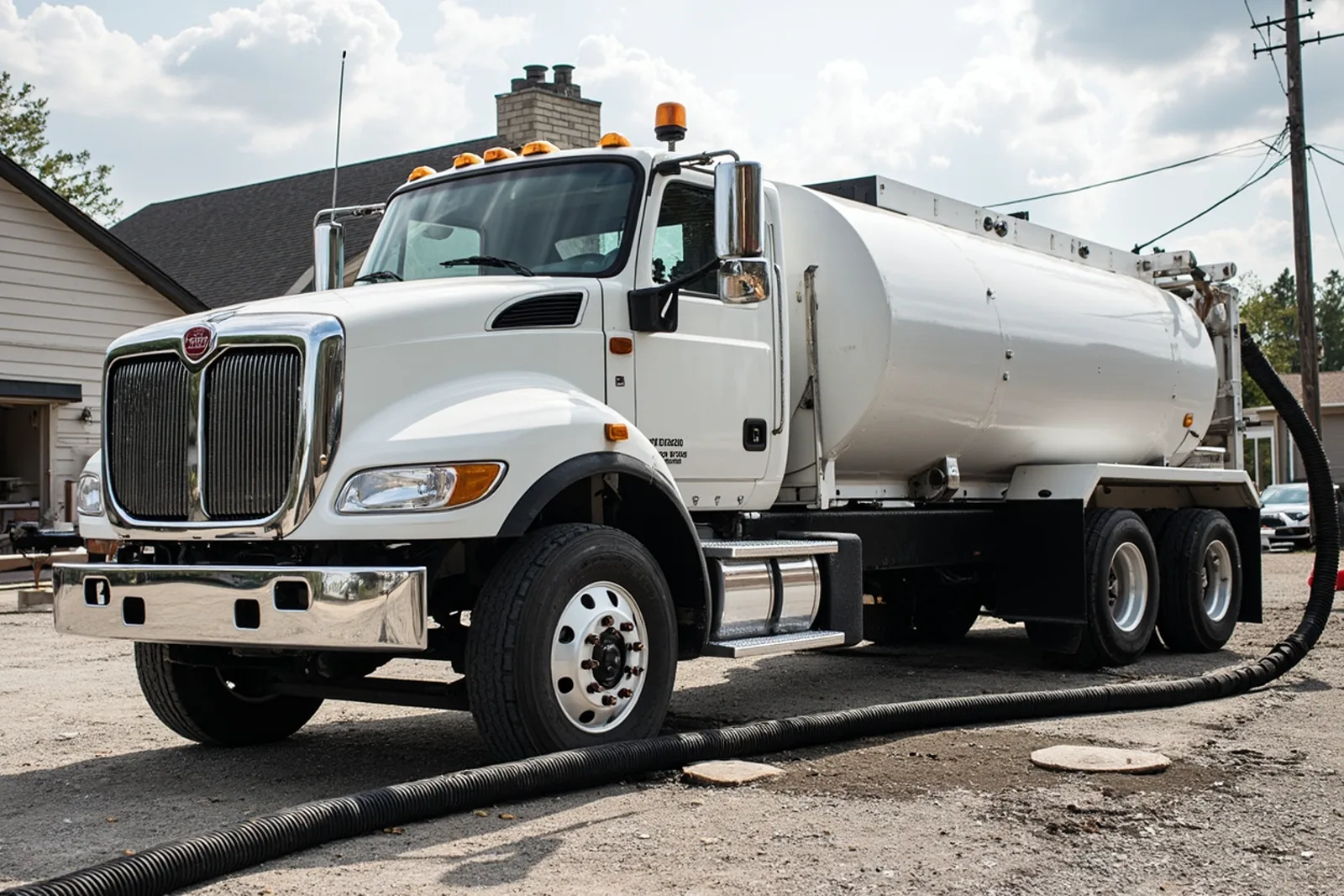
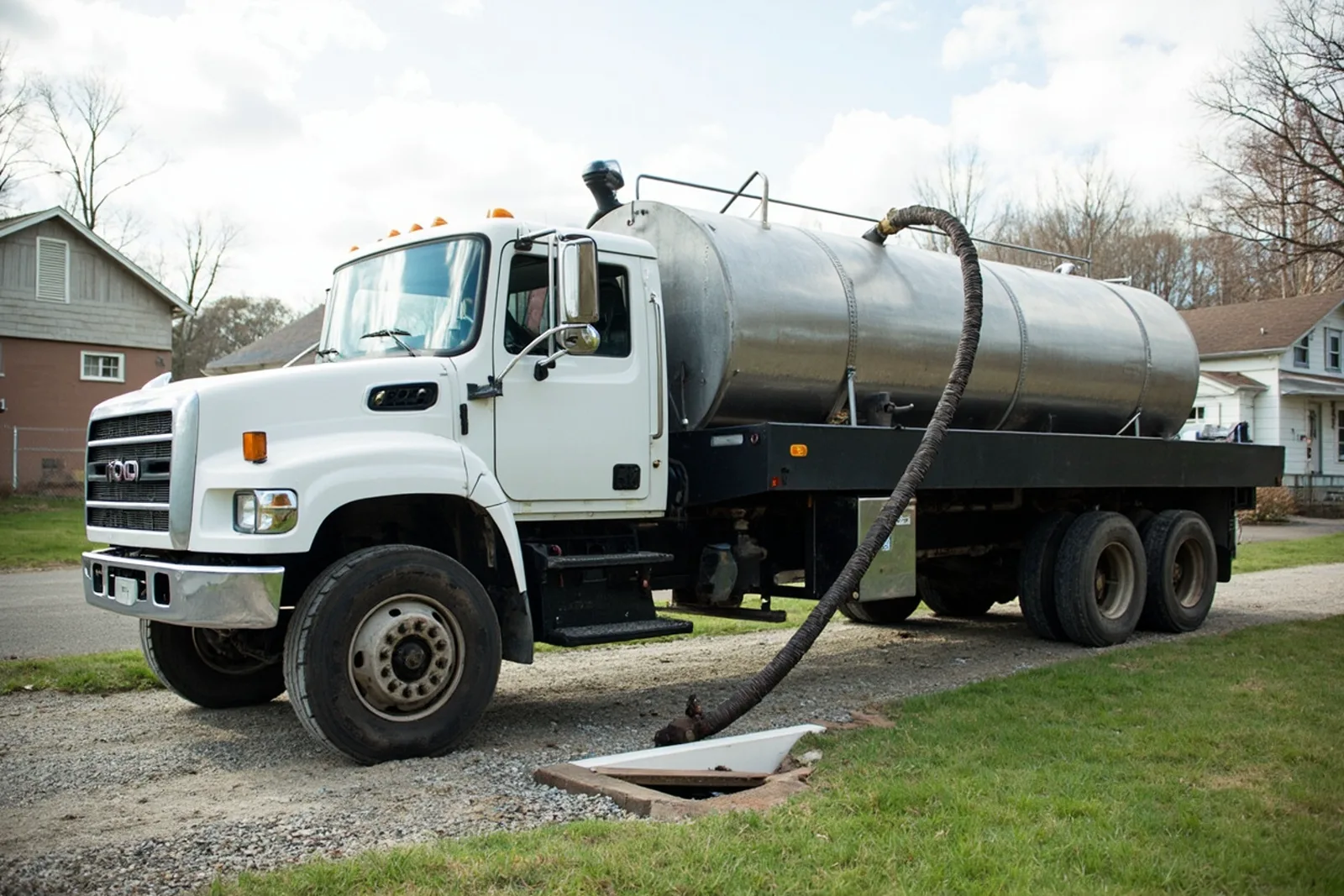
Yes. Vacuum trucks are commonly financed with an equipment loan or an equipment lease, and the truck serves as the main collateral. New and used septic trucks, combination sewer cleaners and industrial vacuum loaders can all be financed, from dealers, auctions and other operators.
Because the truck secures the deal, lenders spend as much time on the unit as on your business. See how vacuum truck financing requests are commonly put together, or read our general equipment financing overview.
What type of vacuum truck do you need?
Name the category first, because lenders, appraisers and resale buyers treat each type differently. A septic pumper, a combination sewer cleaner and an industrial vacuum loader share a name but not a resale market.
| Unit type | Typical work | What to confirm with the seller |
|---|---|---|
| Septic or liquid vacuum truck | Septic pumping, grease traps, portable restrooms | Tank size and material, pump type and hours, any tank repairs |
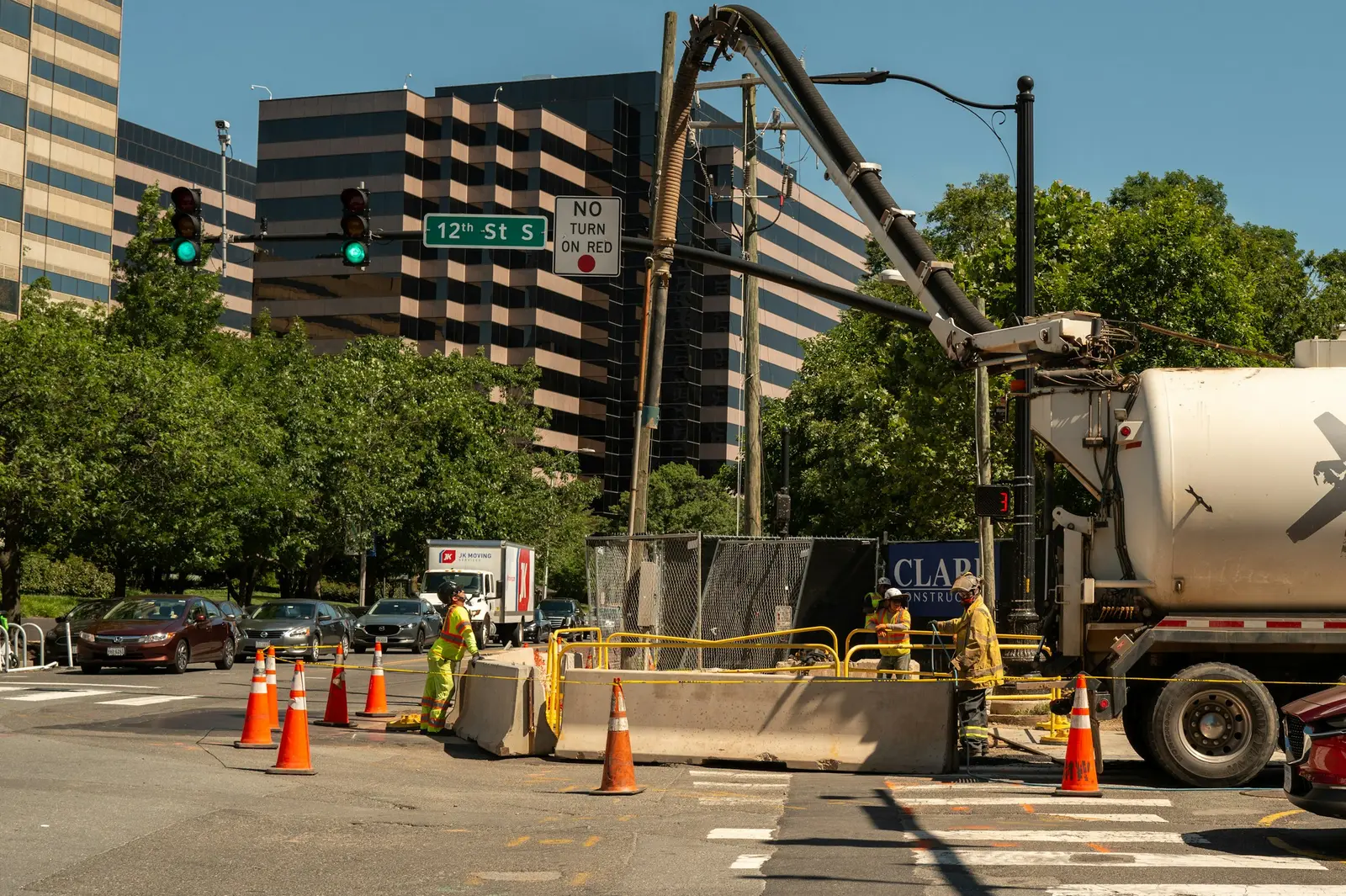
| Combination sewer cleaner | Line jetting and debris removal | Water pump hours, hose reel and boom, debris body, water tank |
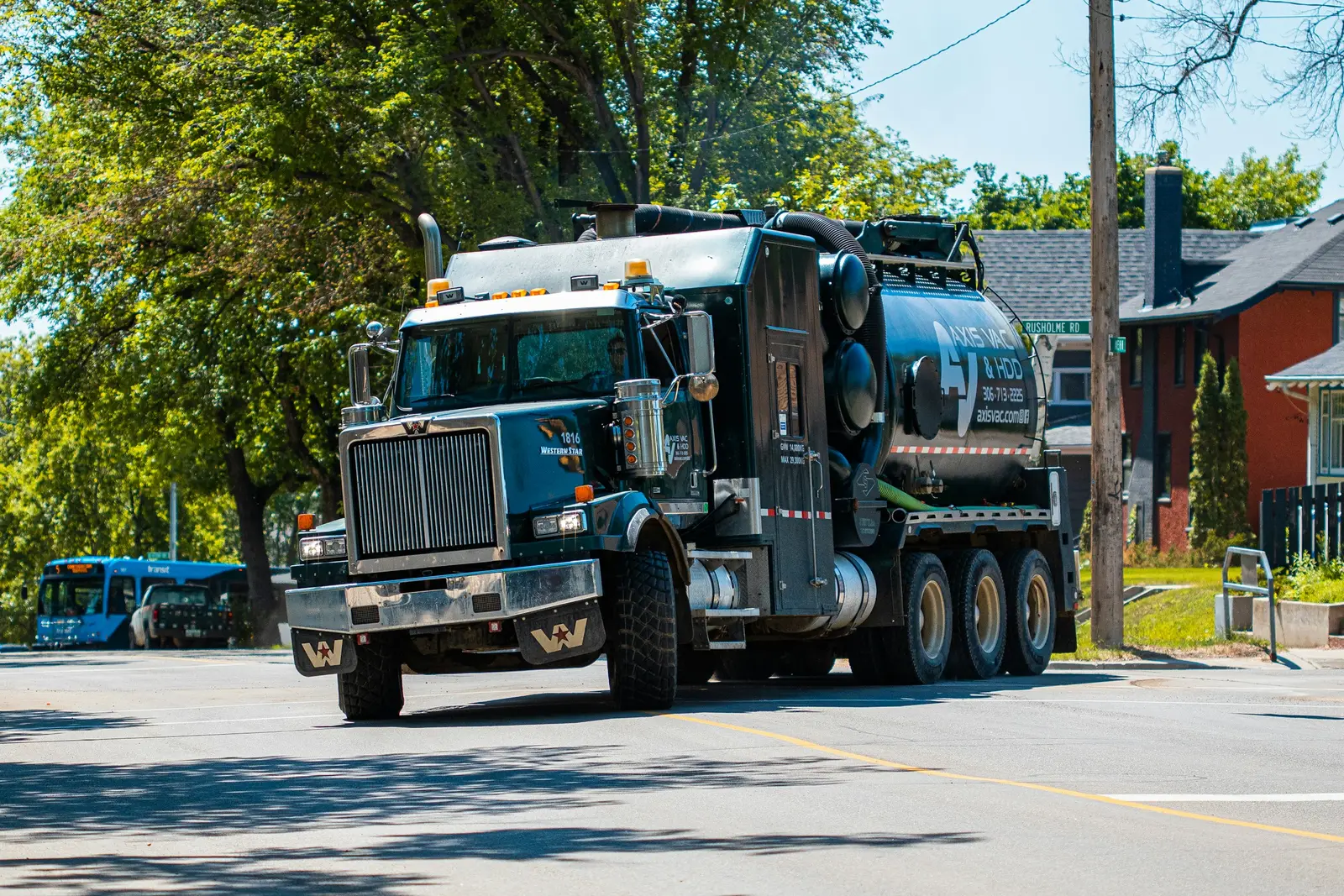
| Industrial vacuum loader | Plant cleanouts, wet and dry material | Blower type and hours, filtration, dump function, service history |
| Hydro-excavation truck | Non-destructive digging and utility exposure | Water system, heater, boom and debris body condition |
If the truck sits between categories, such as a vac that also does light jetting, say so up front. It affects which lenders are comfortable with the deal and how the unit is described on the paperwork. If you are digging rather than pumping, see our article on hydrovac truck financing. For specs and configurations, see the vacuum truck buying guide.
How does vacuum truck financing work?
Most vac trucks are financed with an equipment loan or a lease. With a loan, you own the truck and the lender holds a lien on the title until the balance is paid. With a lease, the lender owns the truck during the term, and your end-of-term options depend on how the lease is written.
A few terms worth knowing:
- Collateral. The asset that secures the financing, here the truck.
- $1 buyout lease. A lease that lets you buy the truck for a nominal amount at the end, so it works much like a loan.
- Fair market value (FMV) lease. A lease where you can buy at market value, renew or return at the end.
- Down payment. Money you put toward the price up front. Whether one is needed varies by lender and deal.
Vac trucks keep working value for a long time, so read end-of-term language closely. Our article on equipment leasing vs. financing walks through the differences.
Some lenders offer payment schedules that follow seasonal revenue. Septic work in northern states can drop off when the ground freezes, and industrial work often runs around plant shutdowns. If your deposits follow a clear pattern, bring a full year of bank statements and ask. Terms vary by lender and deal.
How much does a vacuum truck cost?
Vacuum truck prices vary widely by type, tank size, pump or blower, chassis, and whether the truck is new or used, so the only reliable number is a written quote on a specific unit. A basic used septic pumper and a new combination unit sit in very different price ranges.
When you compare trucks, compare what each will cost you over the time you keep it, not only the sticker price. Add expected repairs, any near-term pump or tank work, insurance, and the value of the truck when you sell or trade it. That same total-cost view applies to the financing.
What do lenders look at on a vac truck deal?
Lenders want to know two things: whether the business can carry the payment, and whether the truck is solid collateral. Each lender sets its own criteria, but these themes come up often:
- Time in business and operator experience, including years you ran vac trucks for a previous employer
- Credit history, business and personal, often with a personal guarantee
- Cash flow, shown in bank statements or financial statements
- The truck: year, make, model, VIN, mileage, engine and pump hours, and condition
- The seller: a dealer invoice is simple to verify, while private and auction sales need title and lien checks
- The work behind the truck: hauler permits, route customers, service contracts or municipal awards
For a broader look at the review, read what lenders look at.
Can you finance a used vacuum truck?
Yes, and many owners do. Think of a vac truck as two assets bolted together. The chassis wears like any heavy truck: engine, transmission, brakes, frame and emissions equipment. The body wears according to what it pumped and how it was maintained: tank corrosion, pump or blower wear, valves, hoses and seals.
A low-mileage chassis can carry a tired tank, and a clean body can sit on a chassis that needs major work. Price the two separately and get a written inspection that covers both.
Questions to ask the seller
- What are the VIN, year, mileage, engine hours and pump or blower hours?
- What size and material is the tank, and has it been repaired, patched or relined?
- When was the pump or blower last rebuilt? Can I watch it pull vacuum and hold pressure?
- What did the truck haul: septic, grease, industrial sludge, or anything hazardous?
- If the tank is a DOT-specification cargo tank, are its test and inspection records current?
- Is the title clean and in the seller’s name, with no liens?
- Which hoses, tools and reels are included, and are they on the invoice?
- Will you allow an independent inspection before the sale?
Also confirm the truck’s weight rating matches your drivers’ license class, and ask your local permitting office whether a septic or liquid waste hauler permit is tied to the specific vehicle.
Can a new septic business finance a vacuum truck?
Newer businesses can often find options, though lenders may ask for more documentation, money down or a personal guarantee. If you ran vac trucks for someone else, say so, because lenders commonly weigh the operator’s experience alongside the company’s history. Hauler permits, disposal site access and early customer commitments also help.
How do you compare vacuum truck financing quotes?
Compare total cost and terms, not the monthly payment alone:
- Total of all payments over the term, plus any amount due up front
- Documentation, origination or other fees
- Loan or lease, and the options at the end of the term
- Prepayment terms if you pay the truck off early
- Whether the payment schedule fits your seasonal cash flow
- Insurance requirements, such as naming the lender as loss payee
Getting a quote
If you have a vac truck picked out, or just a type and budget in mind, send a Quick Quote with the equipment details and a real person from Ironmark will follow up. Financing is provided by third-party lenders and is subject to their approval.
Frequently asked questions
Can I finance a used vacuum truck from a private seller?
Many lenders will consider private-party purchases, though they usually add steps such as verifying the title, confirming there are no liens, and sometimes requiring an inspection. Having photos, the VIN and a draft bill of sale ready helps. Requirements vary by lender and deal, so ask before you commit to the seller.
Should I rent or finance a vacuum truck?
Renting can make sense for a short project or to test demand before you commit. If you rent vac trucks often, or the work is steady enough to keep a truck busy, financing one may cost less over time and builds equity in the truck. Track your rental spend for a season and compare it with a written financing quote.
Can the financing include hoses, tools and accessories?
Sometimes. Items sold with the truck and listed on the same invoice are often included in the financed amount, while loose tools bought separately may be treated differently. Ask the lender how it handles accessories before the seller finalizes the invoice, so the paperwork matches what you are buying.
How old a vacuum truck will lenders finance?
There is no single cutoff. Each lender sets its own limits on age, mileage and hours, and those limits can differ between septic pumpers and industrial units. A recent inspection, service records and clear photos help make the case for an older truck, and an older unit may be offered a shorter term.
Can you finance a vac truck with bad credit?
It depends on the lender and the rest of your file. Lenders weigh credit alongside time in business, cash flow, experience and the truck, so a credit problem does not always end the conversation, but it can mean more questions or money down. Explain what happened up front, and be wary of anyone who promises approval.