Quick answer
Equipment financing requirements vary by lender, but most review five things: time in business, personal and business credit, cash flow shown in bank statements, the equipment being financed, and the deal structure, such as money down and term. Because the equipment is usually the collateral, its age, condition and resale value carry real weight. There is no universal minimum credit score.
When you apply for equipment financing, the lender is trying to answer two questions. Can this business make the payments? And if something goes wrong, is the equipment worth enough to cover the balance? Every requirement ties back to one of those. Knowing them lets you prepare the right documents, fix what you can ahead of time, and explain the rest before it becomes a problem.
What are the requirements for equipment financing?
Equipment financing requirements differ by lender, but most review the same five areas: time in business, credit history, cash flow, the equipment, and the deal structure. Lenders rarely decide on one factor alone, so a strong showing in one area can help balance a weaker one.
| Requirement | What lenders commonly look at |
|---|---|
| Time in business | How long the company has operated, plus the owner’s experience in the trade |
| Credit | Personal and business credit history, and often a personal guarantee |
| Cash flow | Recent business bank statements, and financial statements on larger requests |
| The equipment | Type, age, hours or mileage, condition, seller and resale value |
| Deal structure | Money down, trade-in, term, and whether it is a loan or lease |
For how these pieces come together in a request, see our equipment financing overview.
Does time in business matter for equipment financing?
Yes. Time in business is one of the first things lenders commonly check, because a track record shows you can find work, manage costs and get through slow seasons. Longer histories generally give a lender more to go on.
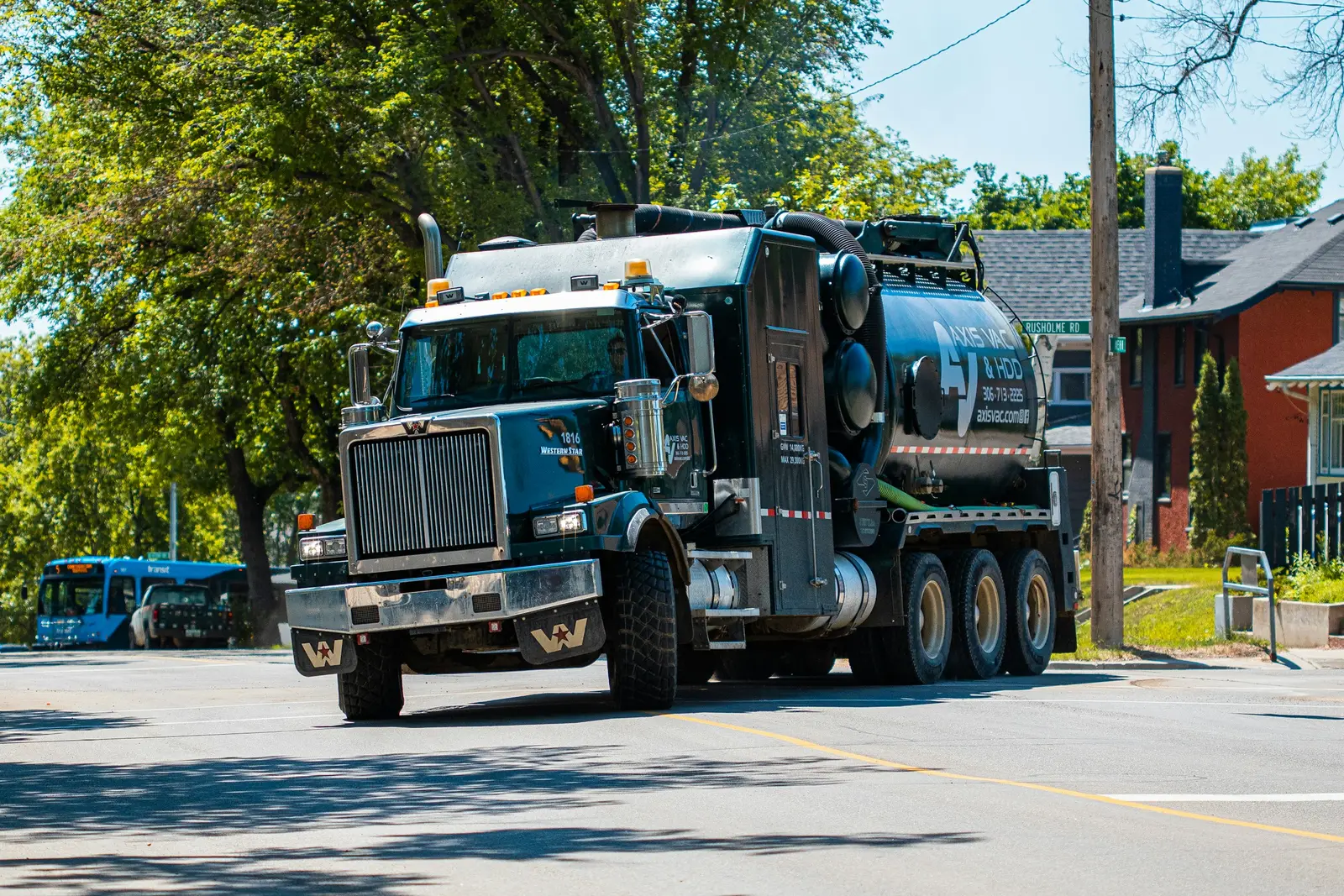
It is not the whole story, though. Many owner-operators ran equipment for someone else for years before starting their own company. If you drove a vac truck for a decade before buying your own, say so in writing. Experience in the trade, signed contracts or steady customers can matter to a lender reviewing a newer business.
What credit score do you need for equipment financing?
There is no universal minimum credit score for equipment financing. Each lender sets its own criteria, and most weigh credit alongside time in business, cash flow and the equipment. A lower score can mean more questions or different terms, while a strong file elsewhere can help.
Personal credit
For many small businesses, the owner’s personal credit carries real weight. Lenders look at payment history, how much revolving credit is in use, recent inquiries, and serious items like collections, charge-offs, judgments or bankruptcies.
Business credit
As a company grows, its own credit file matters more. Paying suppliers, fuel cards and existing equipment loans on time builds a record lenders can see. Prior equipment financing paid as agreed is often a strong point in your favor.
If your credit has problems
Explain it up front. A short note on what happened, when, and how it was resolved gives the lender context a report cannot. Do not try to hide it, because it will show up.
How do lenders review cash flow?
Lenders check whether the business brings in enough to handle a new payment on top of what it already owes, and on smaller requests they often rely on recent business bank statements. They look at:
- Average monthly deposits and whether they are steady or swing widely
- Average daily balances
- Overdrafts or returned items (NSFs)
- Existing loan or lease payments leaving the account
- Seasonal patterns, which are normal in septic, construction and landscaping
For larger requests, lenders often ask for tax returns, a profit and loss statement, a balance sheet or a schedule of existing debt. Keeping business and personal money in separate accounts makes all of this easier to read.
Why does the equipment itself matter to lenders?
The equipment is usually the collateral, the asset that secures the financing, so lenders look closely at whether it would hold its value if they ever had to recover it. For titled trucks, the lender is recorded on the title. For untitled machines, it typically files a UCC filing, a public notice of its interest.
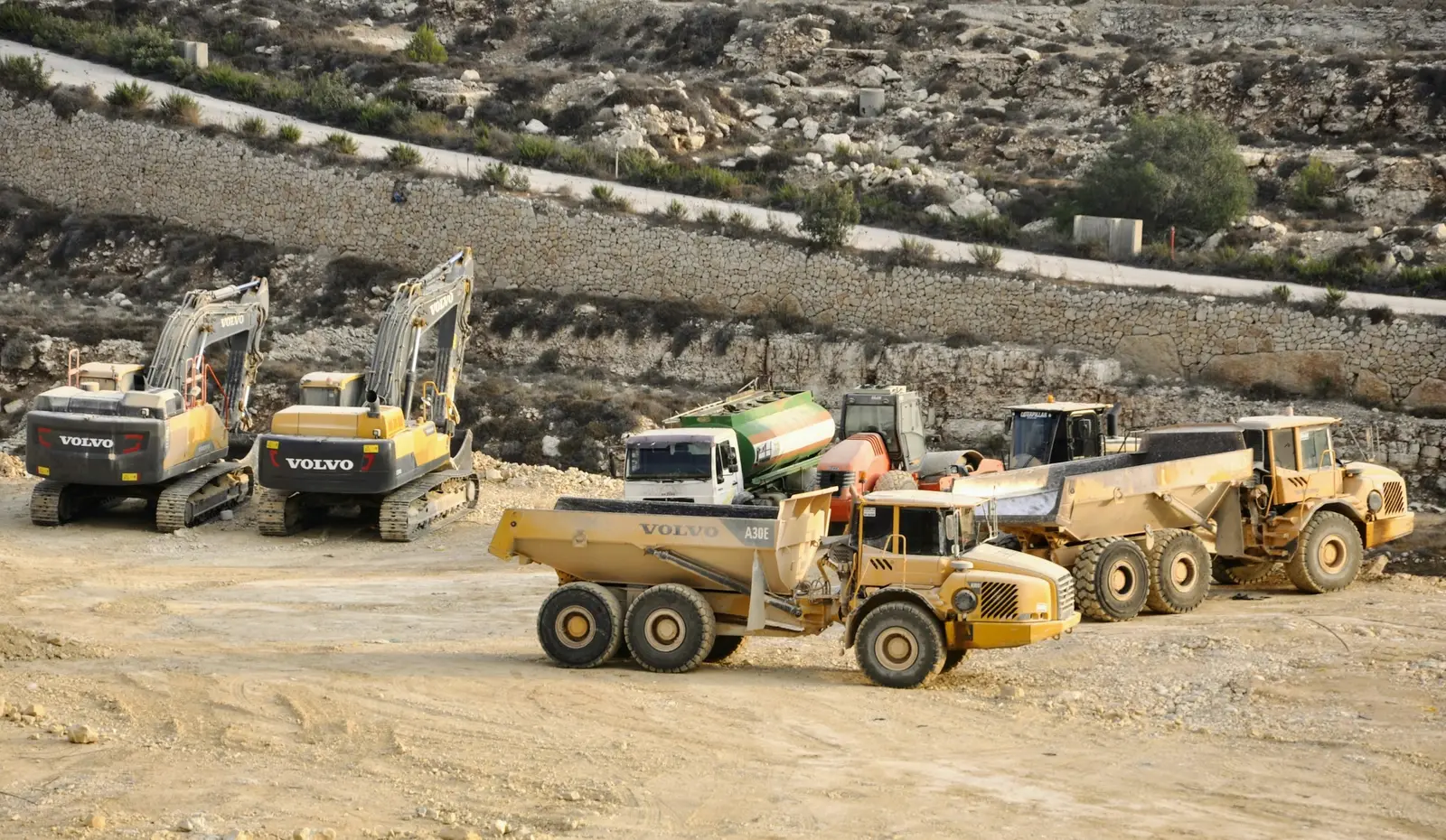
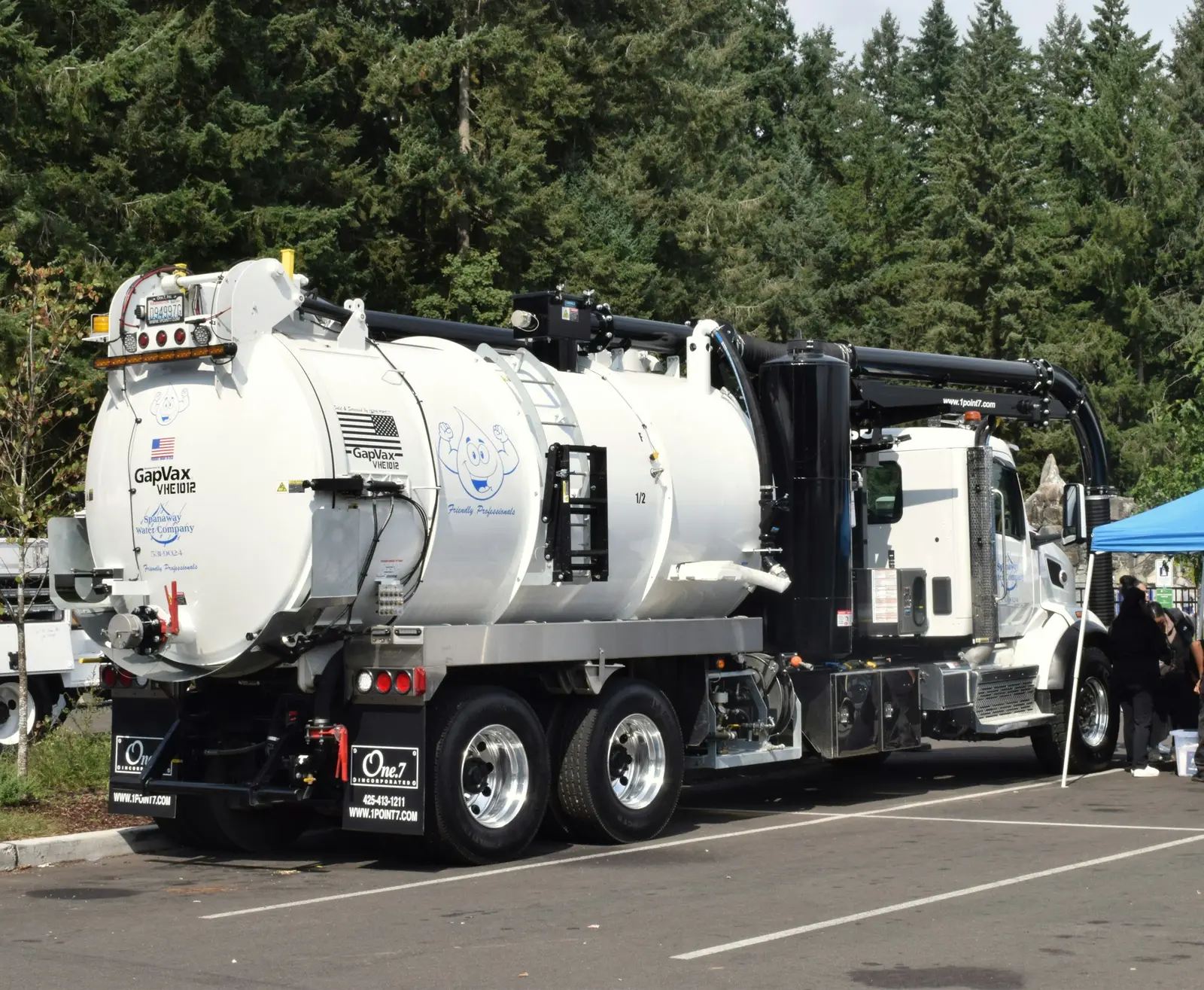
- Type of equipment. Machines with an active resale market, such as vacuum trucks, roll-off trucks, tow trucks and many construction machines, are generally easier to finance than highly specialized equipment.
- Age, hours and mileage. Lenders set their own limits, which vary by lender and equipment type.
- Condition. Photos, service records or an inspection report help, especially on used units.
- Price relative to value. The price should make sense against similar units.
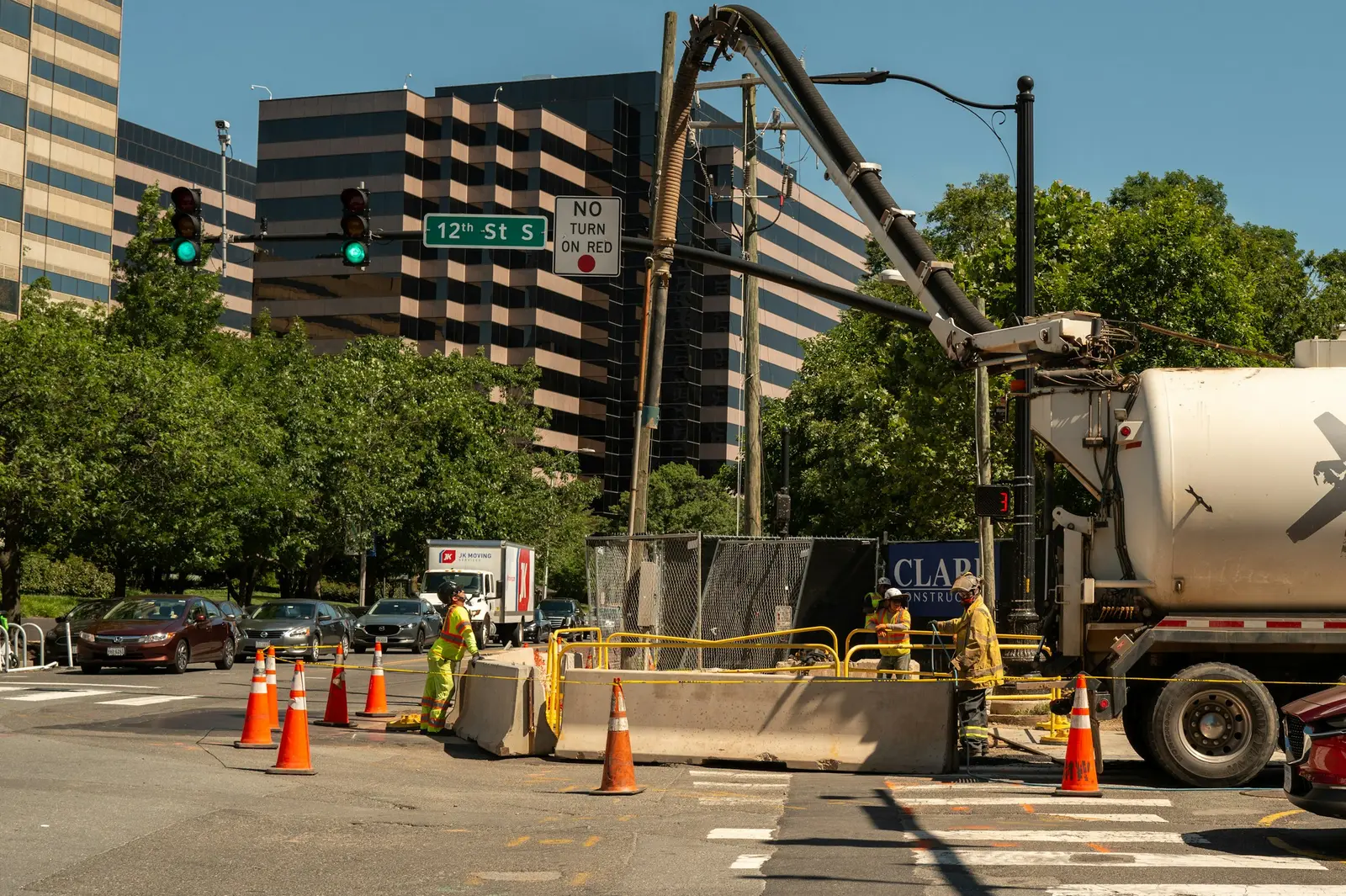
- Essential use. Equipment that directly produces revenue, like a hydrovac truck or a directional drill, is often viewed favorably.
Do you need a down payment for equipment financing?
Sometimes. Some equipment deals are structured with no money down, and others call for a down payment, money you put toward the price up front. Whether one is required, and how much, depends on the lender, your credit and time in business, and the equipment.
Money down or a trade-in lowers the amount financed, which can help a request that is borderline in other areas. The seller matters too: dealer sales are simplest to verify, while private-party and auction sales add steps. Our article on private-party equipment financing covers those. For how loans and leases compare, read equipment leasing vs. financing.
What documents do you need for an equipment loan?
Lenders commonly ask for an equipment quote, recent bank statements, entity documents and ID, and on larger requests, tax returns and financial statements.
| Document | Why lenders ask for it |
|---|---|
| Equipment quote, invoice or bill of sale | Shows what is being financed and the price, with serial or VIN and hours or miles |
| Recent business bank statements | Shows cash flow; provide every page |
| Business entity documents and EIN | Confirms the business legally exists |
| Driver’s license | Verifies the identity of each owner who will sign |
| Tax returns and financial statements | Often requested for larger amounts |
| Debt schedule | Lists existing loans and leases with balances and payments |
| Photos or inspection report | Supports value on used units |
| Proof of insurance | Lenders require coverage on the collateral |
Before you apply checklist
- Pull your personal credit report and check it for errors
- Gather complete bank statements for recent months
- Have your entity documents and EIN ready
- Get a written quote or bill of sale with full equipment details
- Write a short explanation for any credit issues or unusual bank activity
- Note your years of experience in the trade, not only years in business
- For used or private-party units, arrange an inspection and a title and lien check
To see the process from quote to follow-up, visit how it works.
Getting a quote
Send a Quick Quote with the equipment details and a bit about your business. A real person at Ironmark will follow up to go over what lenders will likely want to see. Financing is provided by third-party lenders and is subject to their approval.
Frequently asked questions
Do lenders look at personal credit for a business equipment loan?
Commonly, yes, especially for smaller and newer businesses where the owner and the company are closely tied. Many lenders also ask the owner to sign a personal guarantee, a promise to repay if the business cannot. Business credit history matters too, and it tends to carry more weight as a company grows.
Can you get equipment financing with bad credit?
Some lenders will review requests from owners with credit problems, but it depends on the rest of the file. Lenders weigh credit alongside time in business, cash flow, experience and the equipment. Expect more questions, and possibly money down or different terms. Nobody can honestly promise approval, so be wary of offers that do.
Can a new business get equipment financing?
Some lenders work with newer businesses, though they often look for other strengths, such as years of experience in the trade, solid personal credit, money down, or signed work lined up. Requirements vary by lender. Being specific about your experience and where the revenue will come from helps a lender understand the request.
Why would a lender ask about the equipment seller?
The seller affects how the lender verifies the equipment and pays for it. Dealer sales come with invoices and established processes. Private-party and auction sales may require extra steps, such as an inspection, a title search, a lien search and a payoff of any loan the seller still owes on the unit.
Does applying with several lenders affect my credit?
It can. Some lenders run a hard credit inquiry as part of their review, and several inquiries close together may show up on your report. Ask each lender how and when it pulls credit, and give complete information up front so you are not asked to reapply later.