Quick answer
Hydrovac trucks are typically financed with an equipment loan or lease, with the truck as collateral. Lenders commonly look at time in business, credit history, cash flow, and the unit's age and condition, paying close attention to the water system, heater, boom and debris body. Contractors who can show the work lined up for the truck, plus full unit details from the seller, tend to have a smoother process.
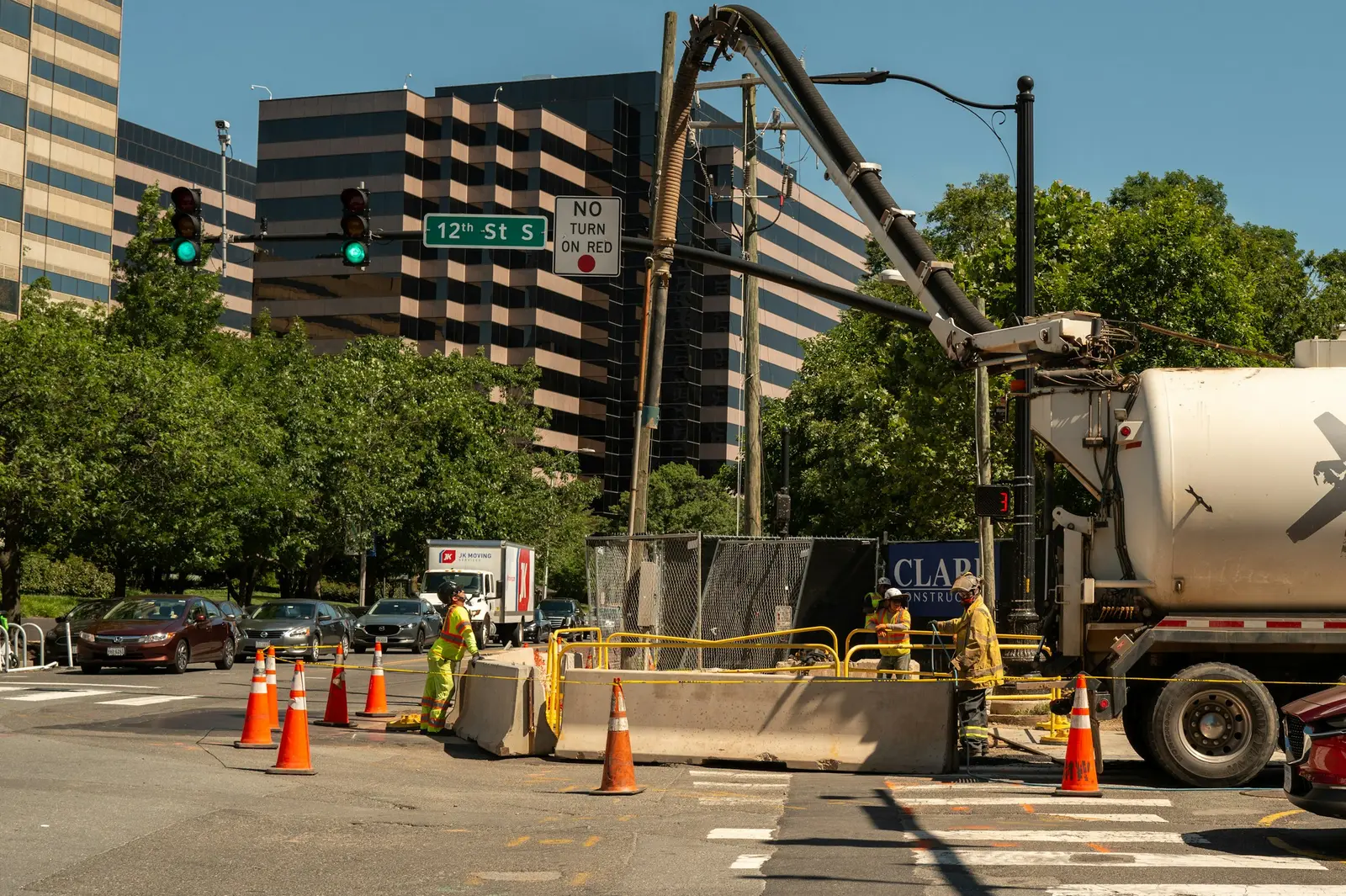
A hydrovac truck can open new work for a contractor: daylighting for utility locates, slot trenching for fiber, potholing ahead of directional drilling, and digging around pipelines where a backhoe is too risky. It is also a specialized, high-dollar truck with more systems to maintain than a standard vac. Before you commit to a unit, it helps to understand how lenders see these trucks and what to confirm with the seller.
Can you finance a hydrovac truck?
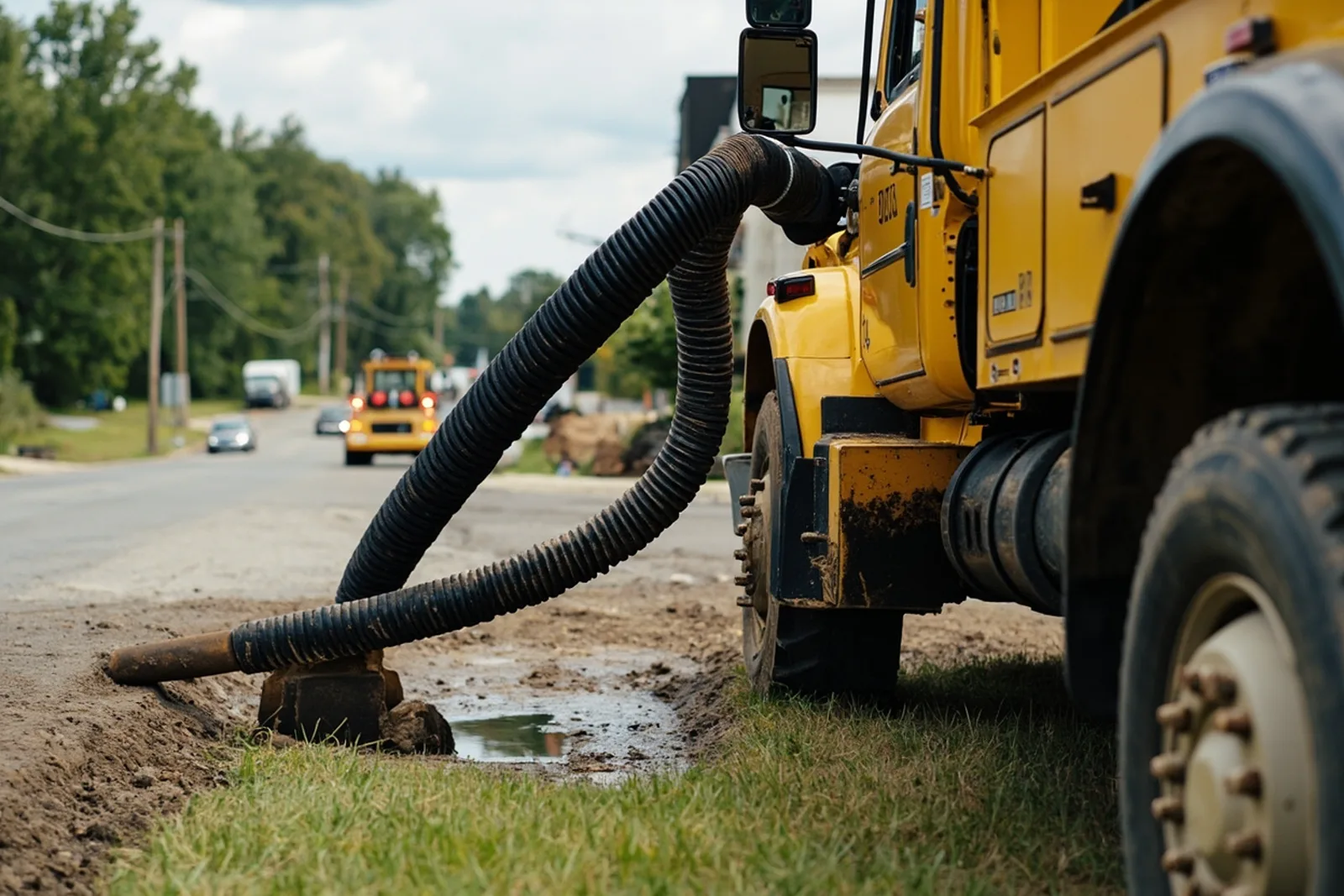
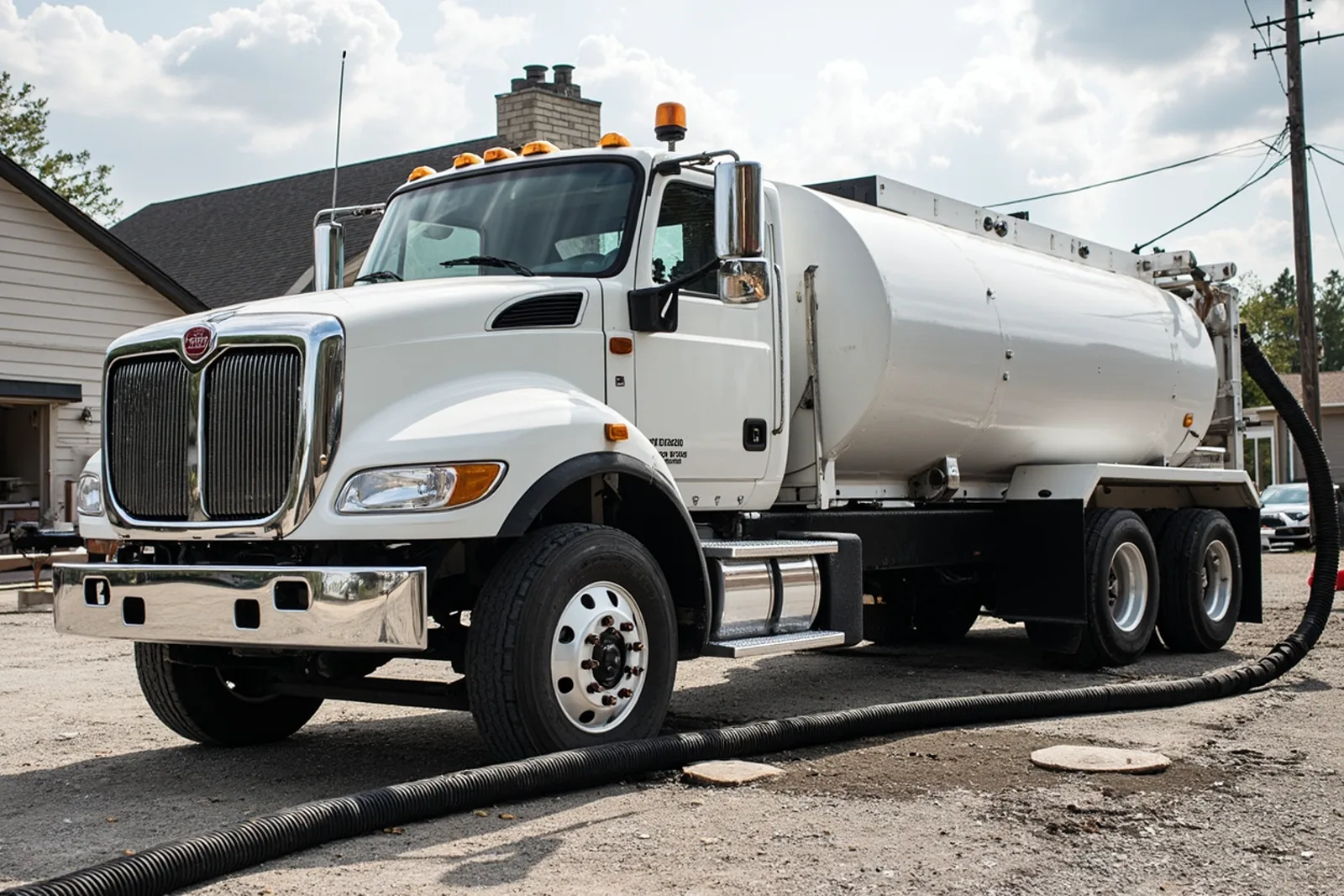
Yes. Hydrovac trucks, also called hydro excavation trucks or vacuum excavators, are commonly financed with an equipment loan or an equipment lease, and the truck serves as the main collateral. New and used units, including trailer-mounted systems, can be financed from dealers, auctions and other contractors.
See how hydrovac truck financing requests are commonly put together, or read our equipment financing overview for the general process.
What are hydrovac trucks used for?
Hydrovac trucks dig by cutting soil with pressurized water and vacuuming the slurry into a debris tank. Contractors use them for utility locating and potholing, slot trenching for fiber and conduit, and excavation near pipelines and energy infrastructure. Size the truck to the job that pays for it.
| Type of work | What matters most on the truck | Questions to confirm with the seller |
|---|---|---|
| Utility locating and potholing | Maneuverability, boom reach, quick setup | Length and weight, boom reach and rotation, water pressure at the wand |
| Slot trenching for fiber or conduit | Water supply, debris capacity, steady vacuum | Water tank capacity, debris body size, blower hours and filtration |
| Pipeline and energy work | Durability, capacity, remote-site capability | Chassis condition, axle configuration, service history in rough terrain |
| Winter work in cold climates | Heater and freeze protection | Heater type and condition, how water lines are protected |
If you run a mix of work, decide which job carries the truck and size it for that. The rest is additional revenue you can show a lender. If you pothole ahead of drilling crews, our article on directional drill financing covers the rig side.
How is a hydrovac different from a standard vac truck?
A hydrovac does two jobs at once: a high-pressure water system loosens soil, and a vacuum system pulls the slurry into a debris body. Many units also carry a heater for frozen ground. That means more components that affect value and uptime:
- The vacuum system. A fan system moves large volumes of air. A positive displacement blower pulls a deeper vacuum over longer hose runs. Both depend on filtration.
- The water system. A high-pressure pump, water tanks, hoses and wands.
- The heater. Important for winter work in cold climates.
- The boom. Reach, rotation and hydraulic condition determine how the truck sets up.
- The debris body. Capacity, rear door seal and the dump system.
For a component-by-component walkthrough, see the hydrovac truck buying guide. If you are weighing a standard vac instead, read our article on vacuum truck financing.
How does hydrovac truck financing work?
With an equipment loan, you own the truck and the lender holds a lien on the title until the balance is paid. With a lease, the lender owns the truck during the term. A $1 buyout lease lets you buy it for a nominal amount at the end, while a fair market value (FMV) lease lets you buy at market value, renew or return it.
Whether a down payment is required, and how much, varies by lender and deal. Some lenders also consider structured payments for contractors with seasonal revenue, such as locating work that slows in winter. Terms vary by lender and deal.
How much does a hydrovac truck cost?
Hydrovac truck prices vary widely with the chassis, vacuum system, water pump, heater, debris capacity and whether the unit is new or used, so the only reliable figure is a written quote on a specific truck. The purchase price is also only part of the cost. Operators, water, spoil disposal, insurance and maintenance come out of the same cash flow as the payment:
- Operators. A trained operator, and often a driver with the right license class for the truck’s weight rating.
- Water. Refill trips cut into billable hours, so tank size and hydrant access matter.
- Spoil disposal. Know where approved dump sites are and what they charge.
- Insurance. Lenders commonly require physical damage coverage and may ask to be named as loss payee.
- Maintenance. Abrasive material wears blowers, filters, hoses and seals.
Running these numbers first helps you pick the right truck and answer a lender who asks how the unit will pay for itself.
What do lenders review on a hydrovac request?
Lenders review the business, the work and the unit together. Expect questions in these areas:
- Time in business and experience running hydro-excavation, for you and your crew leads
- Credit history, business and personal, often with a personal guarantee
- Cash flow, shown in recent bank or financial statements
- The work: customers, contracts or master service agreements
- The unit: year, make, model, VIN, mileage, engine hours and system hours
- The seller: dealer, private party or auction, and whether the title is clean
The more clearly you connect the truck to real work, the easier it is to evaluate. Invoices for hydro-excavation you subcontracted out show demand in plain numbers.
What should you check on a used hydrovac?
Check the vacuum system, water pump, heater, boom and debris body separately, because abrasive slurry is hard on all of them.
- What are the VIN, year, mileage and engine hours? Are there separate hour meters for the vacuum and water systems?
- Is the vacuum a fan system or a positive displacement blower, and when was it last serviced?
- What are the water pump’s rated pressure and flow, and can I see it run?
- Does the truck have a heater, and has it been serviced for winter work?
- Are there hydraulic leaks or recent boom repairs?
- What condition is the debris body in, including the rear door seal?
- Are maintenance records and past DOT inspection reports available?
- Is the title clean and in the seller’s name, with no liens?
- Will you allow an independent inspection before the sale?
Our used equipment buying checklist covers title and lien checks.
Getting a quote
When you have a hydrovac picked out, or know the type of work you want to take on, send a Quick Quote with the equipment details and a real person from Ironmark will follow up. Financing is provided by third-party lenders and is subject to their approval.
Frequently asked questions
Is financing a hydrovac different from financing a regular vacuum truck?
The basic structure is similar: a loan or lease with the truck as collateral. The difference is in the questions. Lenders tend to ask more about the specialized components and the work the truck will do, and some lenders are more familiar with hydro-excavation than others, so it helps to find ones that know the equipment.
Should I rent or buy a hydrovac truck?
Renting can fit a short project or help you test a new service before committing. If you are renting hydrovacs often, or subcontracting hydro-excavation you could do yourself, owning may make more sense over time. Compare your rental and subcontract spend for a season against a written financing quote and your operating costs.
Can I finance a hydrovac if most of my work comes from one customer?
Often, yes, though lenders may ask about the relationship. A master service agreement, a contract, or a history of steady payments from that customer can help show the work is dependable. Raising the concentration up front tends to go better than having it surface during the review.
Can I finance a trailer-mounted or smaller hydro-excavation unit?
Many lenders will consider trailer-mounted and smaller units. Expect the same questions about age, hours, condition and the seller, plus how the unit will be towed and by what truck. Terms vary by lender and deal, so share the full spec of both the unit and the tow vehicle.
What if the hydrovac is at an auction or in another state?
Out-of-state and auction purchases can be financed, but they add steps such as title verification, inspection arrangements and transport. Many auctions expect payment within a short window, so talk with a lender before you bid rather than after you win.