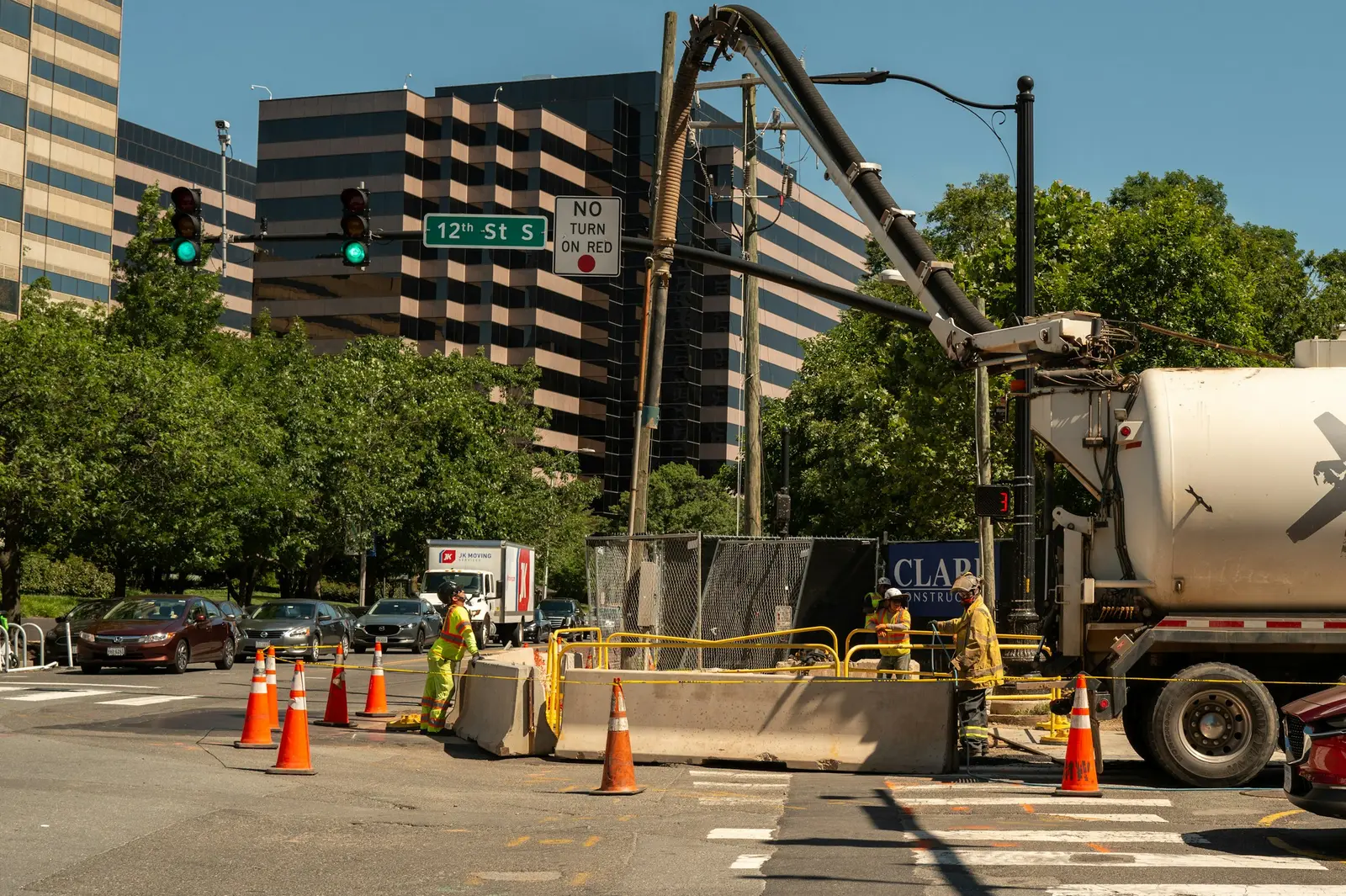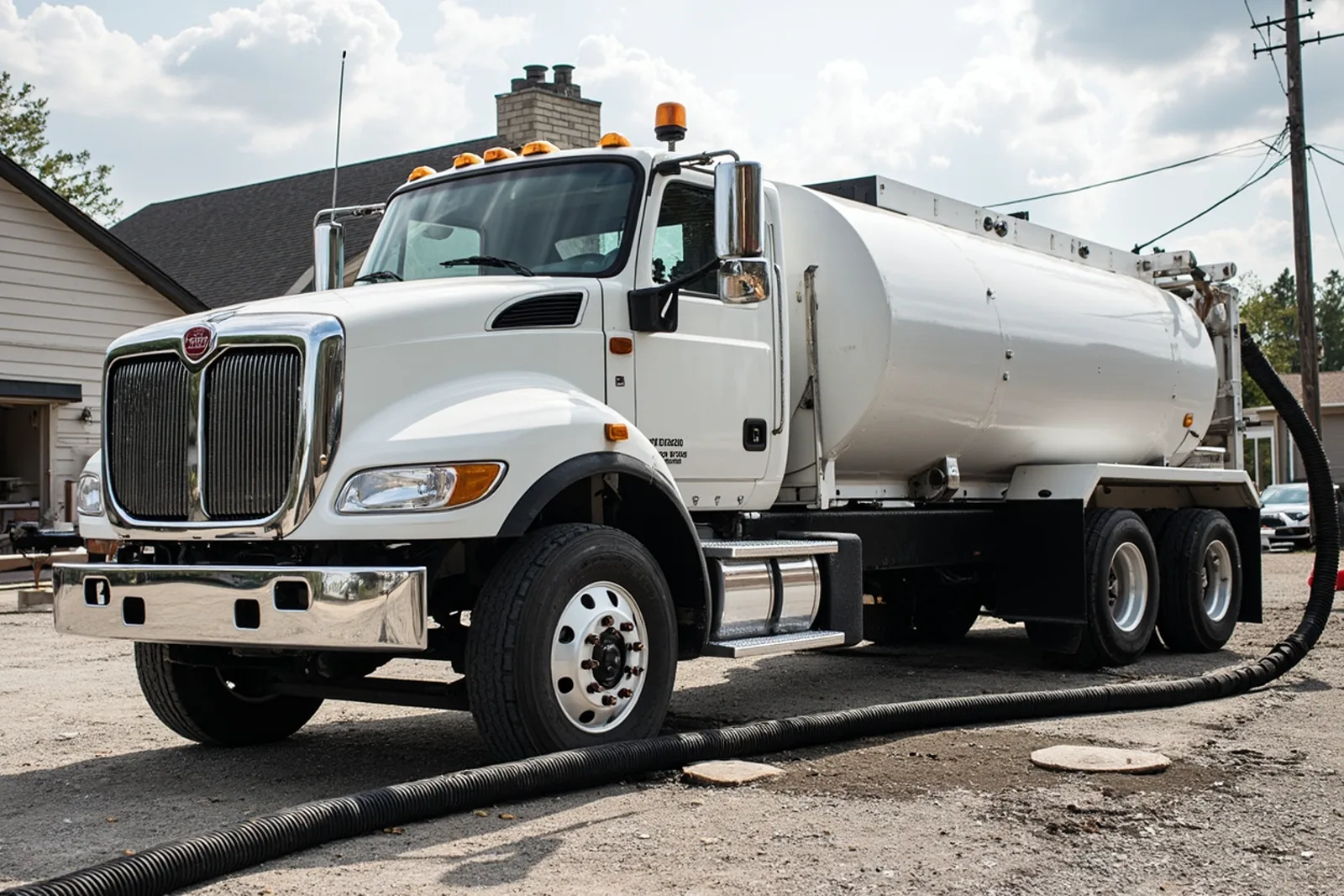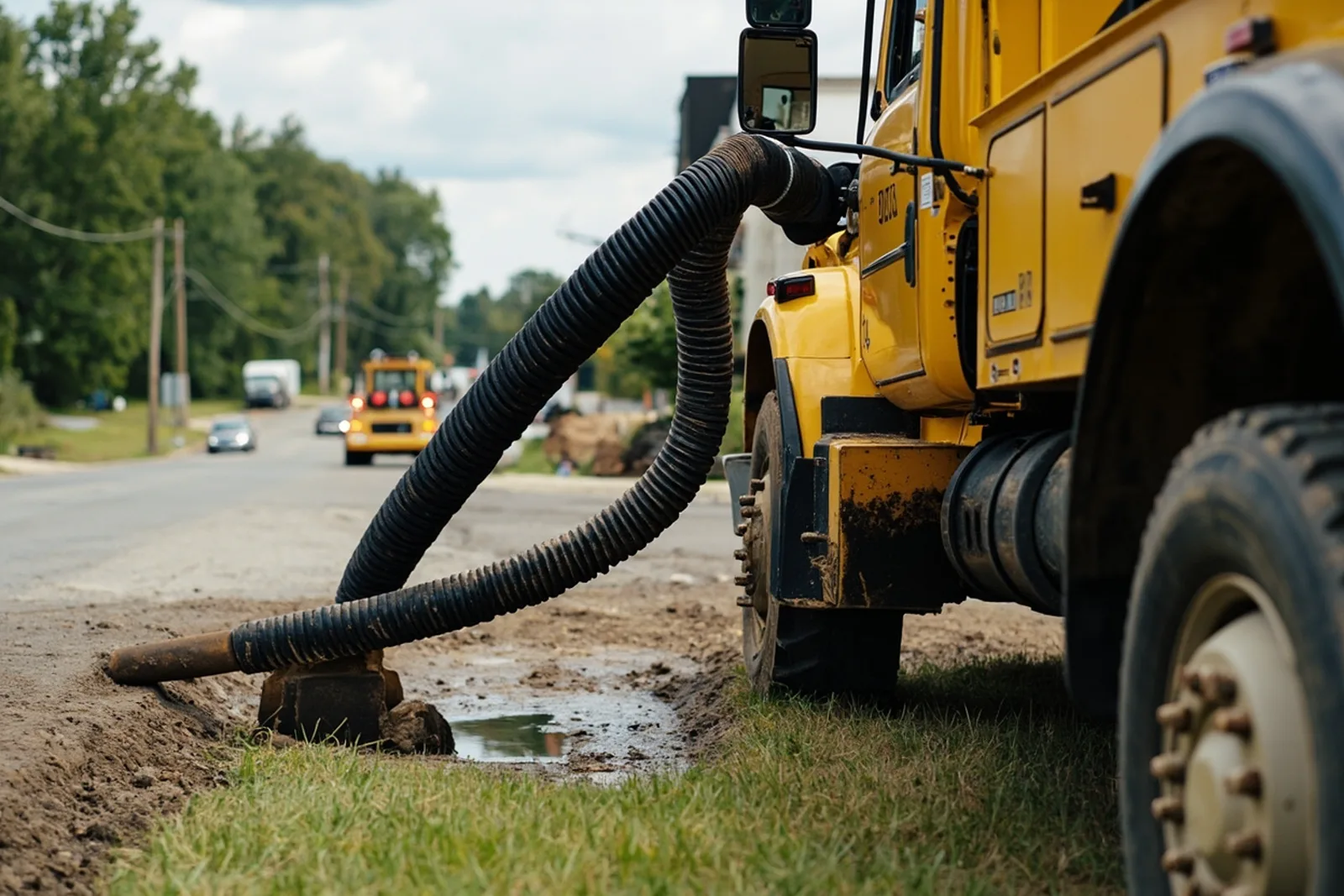
Quick answer
To start a hydrovac business, line up customers first, then buy a truck the work can carry, get the CDL, USDOT and insurance in place, and finance the truck. On October 19, 2026, used hydro excavation trucks on My Little Salesman had asking prices starting at $129,900.
How do you start a hydrovac business?
You start a hydrovac business by lining up work first, then a truck you can afford to keep busy, then the licenses, insurance and safety program that let you put it on a job site. The truck is the biggest single cost: in October 2026, used hydro excavation trucks were listed from an asking price of $129,900 to $299,900, and a new unit at a $540,000 asking price (sources below).
A workable order for a first truck:
- Find the work. Talk to utility locators, telecom and fiber contractors, gas and electric utilities, municipalities and general contractors in your area. Ask what they hire hydrovac for today and who they use.
- Pick the truck size that fits that work. Smaller single-axle units fit city potholing and tight streets. Tandem and tri-axle trucks carry more water and debris for longer digs and slot trenching.
- Get the driver and company credentials (CDL, USDOT number, state registration).
- Set up insurance and a written safety program before the first job.
- Finance the truck with a payment the expected work can carry, and keep cash for the first few months.
The rest of this guide puts real, dated numbers on each step.
How much does it cost to start a hydrovac business?
The truck sets the budget. On October 19, 2026, we found used hydro excavation trucks with asking prices of $129,900 to $299,900 and a new truck with an asking price of $540,000. Everything else (insurance, permits, training, tools, working capital) depends on your state, your driving record and your customers, so get those quotes locally rather than trusting a national "average".
| Truck | Condition and usage | Price | Source | Date |
|---|---|---|---|---|
| 2013 Peterbilt 367 with Vactor HXX | Used, 281,340 miles, 24,008 hours | $129,900 asking price | My Little Salesman listing | Oct 19, 2026 |
| 2016 Peterbilt 567 with Super Products Mud Dog 1200 | Used, 187,105 miles, 20,926 hours | $219,900 asking price | My Little Salesman listing | Oct 19, 2026 |
| 2021 Peterbilt 348 with Vac-Con X-Cavator | Used, 52,889 miles, 7,124 hours | $299,900 asking price | My Little Salesman listing | Oct 19, 2026 |
| 2027 Peterbilt 548 with Tornado F2 ECOLITE | New | $540,000 asking price | Custom Truck One Source listing | Oct 19, 2026 |
A few things to read into that table:
- Hours matter as much as miles. A hydrovac runs its engine, blower and water pump while parked, so the hour meter tells you more about wear than the odometer. The 2013 truck shows more than three times the hours of the 2021 truck.
- Asking prices are not sale prices. They are where negotiation starts.
- The new truck price excludes extras. The dealer listing says its price does not include freight or delivery, sales tax, titling or registration fees.
For a deeper look at what drives price by age, body builder and chassis, see our hydrovac truck cost guide.
Beyond the truck, budget line by line for: commercial auto and general liability insurance, a CDL school if you or your driver need one, USDOT and state registration, a debris disposal arrangement (where you can legally dump spoils), hand tools, cones and signage, safety gear, and enough cash to cover payroll, fuel and the truck payment until your first invoices are paid. We do not publish dollar figures for those items because they vary too much by state and operator to be honest as a single number.
Should your first hydrovac truck be new or used?
Used is the lower-cost path: in the listings above, the used asking prices run from about a quarter to a little over half of the new truck's asking price. A new truck costs more but comes with known history and current emissions equipment, and some customers specify newer equipment.
Questions to settle before you choose:
- Will your customers accept an older truck? Some utility and municipal contracts set equipment standards. Ask before you buy.
- What does the hour meter say, and is there a service history? Ask for blower, pump and boiler records, not just engine records.
- Does the truck do cold weather work? If you work in winter, check for a water heating system and confirm it works.
- Who services it near you? A cheaper truck from a body builder with no local support can cost you days of downtime.
Our hydrovac trucks buying guide covers hydrovac-specific inspection points, the used equipment buying checklist covers the paperwork, and new vs used equipment covers the general trade-offs.
What licenses and permits do you need to run a hydrovac truck?
Hydrovac trucks are built on heavy chassis, so a commercial driver's license and a USDOT number are often required. Check the truck's gross vehicle weight rating (GVWR) on the door sticker before you hire a driver.
- CDL. Under FMCSA rules, a Class B CDL covers any single vehicle with a gross vehicle weight rating or gross vehicle weight of 26,001 pounds or more (FMCSA, CDL classes, seen Oct 19, 2026). FMCSA also requires first-time Class A or Class B applicants to complete Entry-Level Driver Training with a registered provider before taking the skills test.
- USDOT number. FMCSA requires one for vehicles used in interstate commerce with a GVWR or gross combination weight rating of 10,001 pounds or more, and lists 39 states and territories (including Puerto Rico) that also require it for intrastate carriers (FMCSA, Do I need a USDOT number?, seen Oct 19, 2026).
- State and local items. Business registration, any state contractor licensing, and disposal permits for slurry and spoils vary by state and county. Ask your state DOT and environmental agency.
Have your attorney or compliance advisor confirm which rules apply to your exact truck and routes.
What safety rules apply to hydro excavation work?
Hydrovac work is excavation, so OSHA's excavation standard applies, and the main job you are hired for is locating buried utilities safely. OSHA 1926.651(b) requires that the estimated location of underground utilities be determined before opening an excavation and that, as work approaches them, "the exact location of the installations shall be determined by safe and acceptable means" (OSHA 1926.651, seen Oct 19, 2026).
In an October 23, 2003 interpretation letter (reviewed November 22, 2017), OSHA said hydro vacuum excavation can be an acceptable way to locate utilities when the equipment can be adjusted so it will not damage them, and is not acceptable if it cannot be adjusted that way. That is why water pressure and nozzle control belong in your written procedures and operator training.
Damage prevention is also the market. The Common Ground Alliance's 2025 DIRT analysis covered 221,717 unique damage reports, and failure to notify 811 before digging remained the single largest root cause (Trenchless Technology, July 20, 2026, seen Oct 19, 2026). Every job should start with an 811 ticket, and your crew should know how to read locate marks.
How do you finance a first hydrovac truck?
A first hydrovac truck is usually financed with an equipment loan or lease secured by the truck itself. A lender looks at your credit, your industry experience, any contracts or letters of intent from customers, and the truck's age, hours and value. Ironmark is not a lender: we connect you with third-party lenders, and those lenders make the credit decision and set the rate and terms.
A startup without business tax returns is usually judged more on the owner's personal credit, experience operating hydrovac or vacuum equipment, the down payment, and evidence of work lined up. Our article on what lenders look at explains each factor.
What would the monthly payment be on a hydrovac truck?
On the listings above, payments range from about $2,110 a month (the $129,900 used truck, 72 months, 9% estimated APR) to about $13,040 a month (the $540,000 new truck, 48 months, 13% estimated APR).
These examples assume 10% down, estimated APRs of 9% and 13%, terms of 48, 60 and 72 months, payments rounded to the nearest $10, and exclude taxes, fees and insurance.
| Truck (asking price) | Down payment (10%) | Amount financed | Estimated APR | 48 months | 60 months | 72 months |
|---|---|---|---|---|---|---|
| 2013 Peterbilt 367 / Vactor HXX (used), $129,900 | $12,990 | $116,910 | 9% | $2,910 | $2,430 | $2,110 |
| 2013 Peterbilt 367 / Vactor HXX (used), $129,900 | $12,990 | $116,910 | 13% | $3,140 | $2,660 | $2,350 |
| 2016 Peterbilt 567 / Mud Dog 1200 (used), $219,900 | $21,990 | $197,910 | 9% | $4,920 | $4,110 | $3,570 |
| 2016 Peterbilt 567 / Mud Dog 1200 (used), $219,900 | $21,990 | $197,910 | 13% | $5,310 | $4,500 | $3,970 |
| 2027 Peterbilt 548 / Tornado F2 ECOLITE (new), $540,000 | $54,000 | $486,000 | 9% | $12,090 | $10,090 | $8,760 |
| 2027 Peterbilt 548 / Tornado F2 ECOLITE (new), $540,000 | $54,000 | $486,000 | 13% | $13,040 | $11,060 | $9,760 |
These are illustrations, not quotes. Ironmark does not set rates and is not a lender; your actual rate, term and down payment come from the lender and depend on your credit, the truck and the deal. Older, high-hour trucks may not qualify for the longest terms.
A useful check before you sign: divide the monthly payment by the number of billable days you realistically expect in a month. That tells you how much of each day's revenue goes to the truck before fuel, labor, insurance, disposal and repairs. Run that math with your own local rates and your accountant. For payments at other price points, see the vacuum truck and hydrovac payment tables.
What are common mistakes when starting a hydrovac business?
The most common mistake is buying the truck before the work is lined up. Others to avoid:
- Buying on price alone. A low asking price on a truck with high hours and no blower or pump records can turn into a rebuild in the first year.
- Ignoring disposal. Spoils and slurry have to go somewhere legal. Know your dump site and its fees before you quote a job.
- Underestimating insurance. Get commercial auto and liability quotes before you buy; insurers price by truck, driver record and work type.
- Stretching the term to make a payment fit. A longer term lowers the payment but means more interest and more time owing money on an aging truck.
- No cash cushion. If customers pay on net terms, the first invoices may not be paid before the first truck payment is due.
What do you need for a hydrovac truck financing quote?
- The truck you want: year, chassis, body builder and model, hours, miles, VIN, asking price, and the seller's name (dealer, auction or private party)
- Your down payment amount and where it is coming from
- Your CDL (or your driver's) and your hydrovac or vacuum truck experience
- Business formation documents, EIN and USDOT number if you have one
- Customer contracts, letters of intent or a list of the work you expect to do
- Personal financial statement and recent bank statements; business tax returns if the company already operates
- Your insurance agent's contact for proof of coverage
To see how Ironmark connects hydrovac buyers with lenders, go to hydrovac truck financing.
Buying checklist
Before you buy
- Confirm the work: names of customers, type of jobs, and how they pay
- Decide truck size (single axle, tandem or tri-axle) based on that work
- Get insurance quotes on the specific truck and driver
Inspecting a used hydrovac
- Read the hour meter, not just the odometer
- Ask for blower, water pump and heater service records
- Run the vacuum, water system and boom on site
- Check the debris tank, rear door seal and hoses for wear
Before the first job
- CDL and Entry-Level Driver Training complete if needed
- USDOT number and state registration in place if required
- Written excavation and utility locating procedures
- A legal disposal site for spoils and slurry