Quick answer
A horizontal directional drill is typically financed with an equipment loan or lease secured by the rig. Rods, tooling, mud systems and locators can sometimes be included or financed separately. Lenders commonly look at time in business, drilling experience, credit history, cash flow, backlog, and the rig's age, hours and condition. Plan the whole drilling spread at once to avoid a second request.
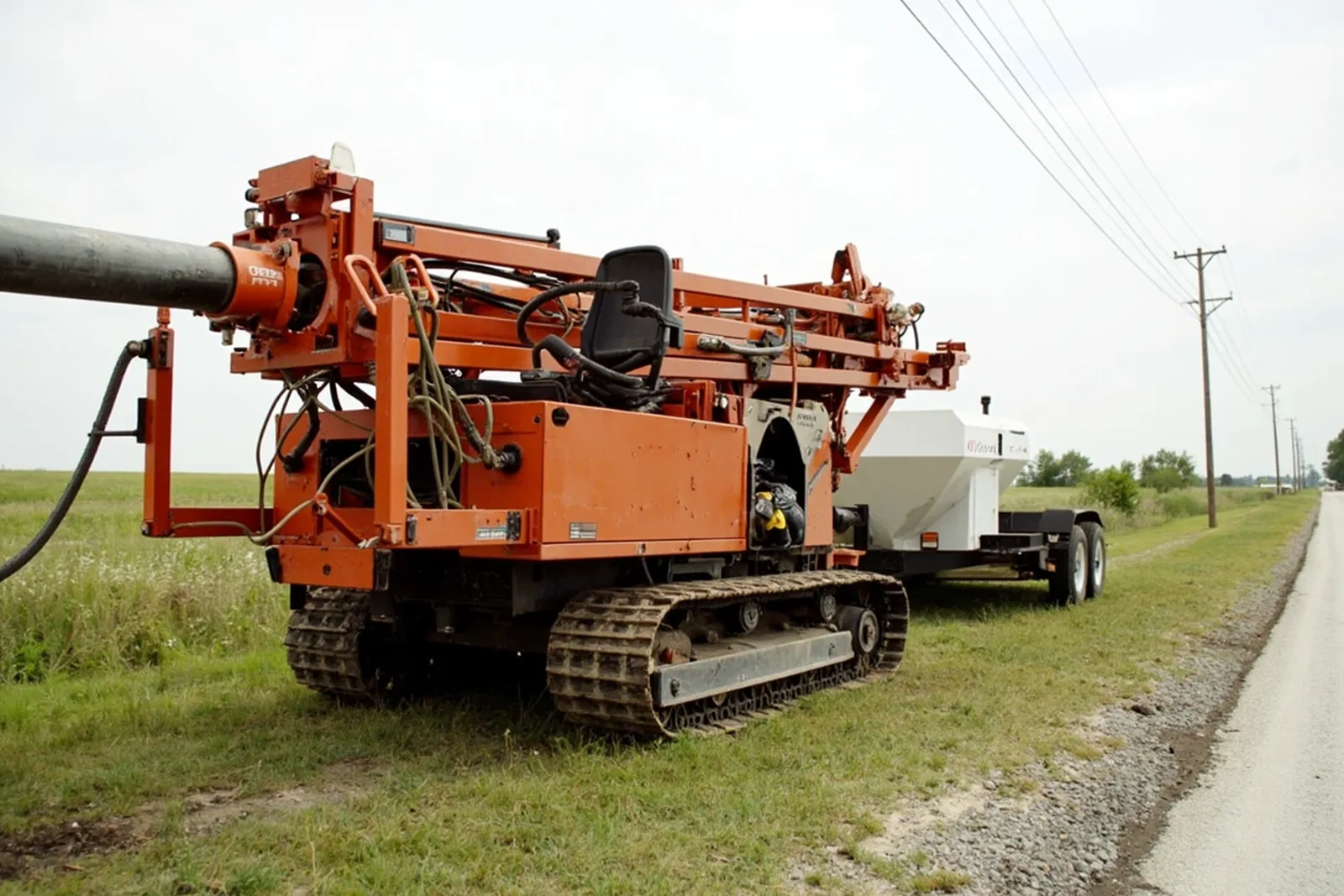
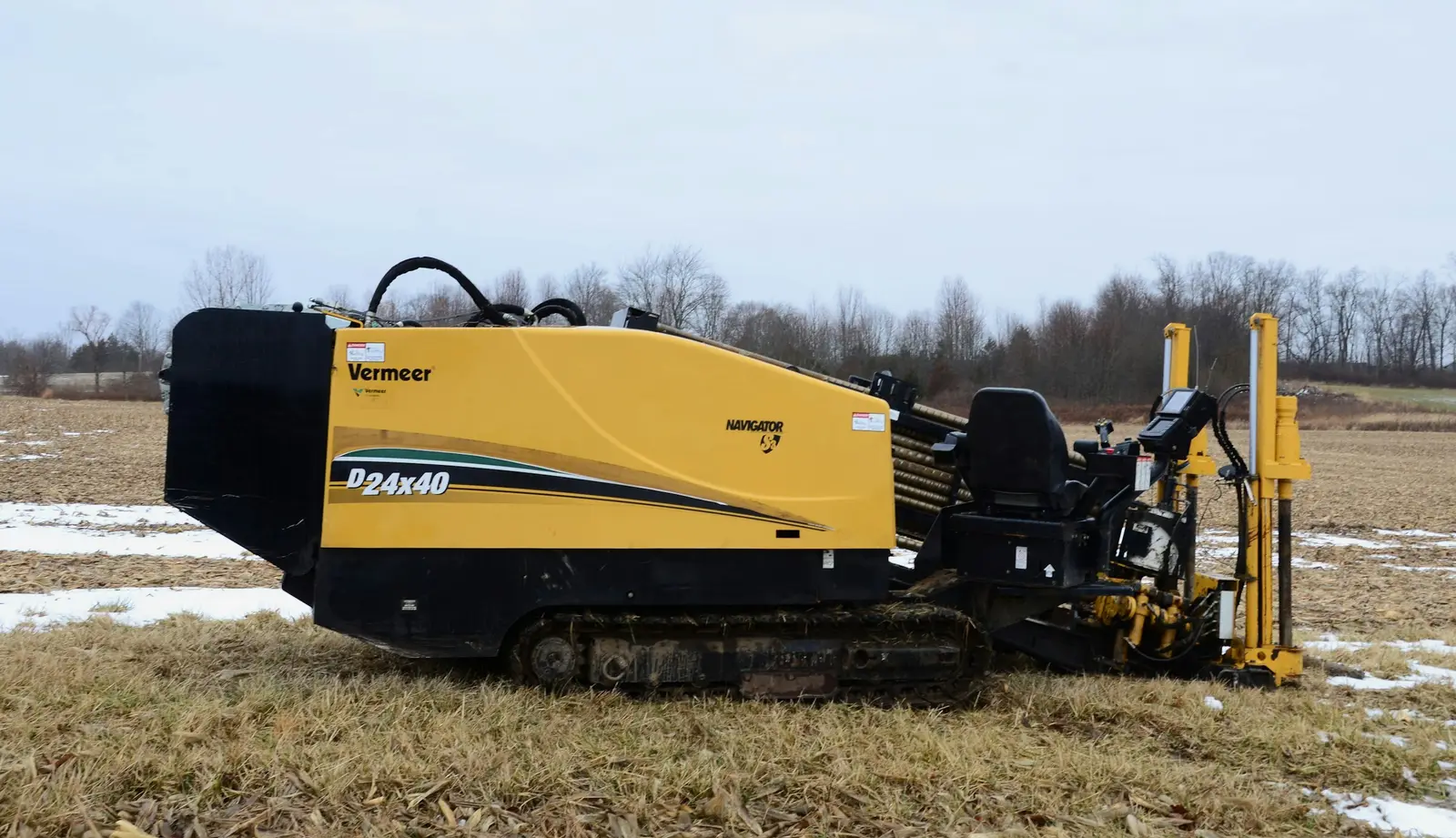
Horizontal directional drilling is one of the most equipment-heavy trades in underground construction. The rig gets the attention, but a working crew also needs rods, tooling, a mud system, locating equipment and usually a vac to handle returns. When you finance a drill, you are really financing a spread of equipment, and planning it that way leads to better decisions.
Can you finance a directional drill?
Yes. HDD rigs are commonly financed with an equipment loan or an equipment lease, and the rig serves as the main collateral. Compact rigs for residential fiber, midsize rigs for utility work and larger rigs for long crossings can all be financed, new or used, and support equipment can sometimes be included in the same deal.
See how directional drill financing requests are commonly put together, or read our equipment financing overview for the general process.
What equipment do you need besides the drill rig?
A working HDD crew needs rods, bits and reamers, a mud system, locating equipment and usually a vacuum excavator, in addition to the rig. A rig without the right tooling or fluid system is expensive iron sitting in the yard, so list everything before you approach a seller or a lender.
| Component | What it does | What to confirm with the seller |
|---|---|---|
| Drill rig | Drives the pilot bore and pulls back the product | Hours, pullback and torque ratings, rod length, track and engine condition |
| Drill rods | Carry rotation, thrust and drilling fluid | Rod count, age, thread condition, straightness, match to the rig |
| Bits, reamers and tooling | Cut the pilot hole and open it to size | Sizes included, cutter wear, fit for your soil and rock |
| Mud mixing or recycling system | Mixes and supplies drilling fluid | Tank capacity, pump condition, sized to the rig |
| Locating and guidance equipment | Tracks the drill head’s position and depth | Model, frequency range, transmitters match receiver |
| Vacuum excavator or vac trailer | Contains returns and exposes utilities | Tank capacity, blower or pump condition, trailer condition |
Knowing the full list lets you ask lenders whether it can be packaged together, and keeps you from stretching the budget on the rig and coming up short on tooling. If the vac is a full hydro-excavation truck, see our article on hydrovac truck financing, or the vacuum truck financing page for vac trailers and trucks.
What size directional drill do you need?
Buy the rig that fits the bores you win consistently, not the one big crossing you hope to land. The right size depends on bore length, product diameter, ground conditions and setup space.
- Pullback and torque. These determine how much product and how large a reamer the rig can handle. Confirm them with the seller.
- Rod length and rack capacity. They affect how far you drill before reloading.
- Footprint and transport. A compact rig that fits a residential easement may earn more than a bigger one that cannot get on the job. Check transport weight against your trailer and truck.
- Rock capability. If you bid rock work, confirm the rig and tooling are set up for it.
- Strike protection. Ask whether the rig has an electrical strike alert system and whether it has been tested.
For more on specs and configurations, see the directional drill buying guide.
How much is a directional drill?
Directional drill prices range widely by size class, hours, condition and how much tooling comes with the rig, so the only reliable figure is a written quote on a specific unit. A compact rig for fiber drops and a large rig for river crossings are priced in different worlds.
Price the full spread, not the rig alone. Rods, tooling, a mud system, a locator and a vac can add up to a large share of the total, and the financing should cover the same list you will actually need on day one.
How is HDD rig financing structured?
With an equipment loan, you own the rig and the lender records its interest, often through a UCC filing, a public notice that is released when the balance is paid. With a lease, the lender owns the rig during the term. A $1 buyout lease ends with you owning it for a nominal amount, while a fair market value (FMV) lease lets you buy at market value, renew or return it. Our article on equipment leasing vs. financing compares them.
Some lenders will include tooling, a mud system and locating equipment in the same deal as the rig, especially when everything is on one dealer invoice. Others prefer to finance major support equipment, such as a vac trailer, separately. Whether a down payment is needed varies by lender and deal, and some lenders offer structured payments for contractors whose work slows in winter.
What do lenders look at on an HDD request?
Lenders look at your drilling history, cash flow and backlog alongside the rig. Expect questions in these areas:
- Time in business and drilling experience, for you and your operators
- Credit history, business and personal, often with a personal guarantee
- Cash flow, shown in bank or financial statements
- Customers and backlog: prime contractors, utilities or municipalities, and any awarded work
- The equipment: make, model, serial number, year, hours and condition
- Existing obligations and your payment history on them
If you are adding a rig to cover work you currently sub out, bring those subcontract invoices. They show demand in plain numbers.
Can you finance a used directional drill?
Yes. Used rigs are financed regularly, though lenders look closely at hours, condition and included tooling. Hours alone do not tell the story, because maintenance and ground conditions shape wear just as much. Ask the seller:
- What are the serial number, year and engine hours?
- What are the rated pullback and torque, and when were they last verified?
- How many rods come with the rig, how old are they, and what condition are the threads in?
- Which bits, reamers, subs and housings are included?
- What soil and rock conditions did the rig mostly drill?
- Any hydraulic leaks, recent pump or motor replacements, or undercarriage repairs?
- Are maintenance records and fluid analysis reports available?
- Is ownership clean, with no liens?
- Can I see the rig run, or arrange an independent inspection?
For a closer look at the trade-offs, read new vs. used equipment.
How do you compare quotes on a drilling package?
Make sure every quote covers the same equipment list, then compare total cost: the total of all payments plus any amount due up front, fees, which items are included, end-of-term options, prepayment terms and insurance requirements. Check that serial numbers on the paperwork match the seller’s invoice.
Getting a quote
When you know the rig and support equipment you need, send a Quick Quote with the equipment details and a real person from Ironmark will follow up. Financing is provided by third-party lenders and is subject to their approval.
Frequently asked questions
Can I finance drill rods and tooling on their own?
Some lenders will finance a tooling package separately, while others prefer it tied to a rig purchase. Rods, bits and reamers wear out faster than the rig itself, so lenders may treat them differently as collateral. Ask how a lender handles tooling before you split up the purchase across sellers or invoices.
Can a new directional drilling company get financing?
It can, though lenders tend to ask newer companies for more, such as documentation of the owner's drilling experience, money down or a personal guarantee. Letters of intent or work lined up with a prime contractor or utility help show the rig will stay busy. Requirements vary by lender, and no one can promise approval.
Should I rent or buy a directional drill?
Renting can fit a one-off crossing or a size class you rarely need. If you rent the same size rig again and again, or sub out bores you could drill yourself, owning may cost less over time. Compare a season of rental and subcontract invoices against a written financing quote for the full spread.
Can I finance a used drill bought at auction?
Often, yes, but auctions move fast and many expect payment within a short window. Talk with a lender before you bid so you know what it will need, such as the serial number, hours, photos and the auction's terms of sale. Terms vary by lender and deal.
Can I add a drill if I already have equipment financed?
Commonly, yes. Lenders review your existing obligations to make sure the business can carry the new payment, and a solid payment history on current equipment is generally viewed favorably. Be ready to list what you already have financed, with whom, and the monthly payment on each.