Quick answer
Start with the product. Its size, shape and packaging material, the output you need and how the machine connects to the rest of your line decide which equipment fits. A machine's advertised maximum speed is not automatically the output your line will achieve, so ask suppliers to demonstrate with your product.
How do you choose packaging equipment?
Choose packaging equipment by defining your product and line before you compare machines. Record product sizes and weights, packaging materials, the output you need per shift, changeover frequency, floor space and utilities. Then ask each supplier to show how the quoted machine handles that range, ideally running your own product and packaging.
- Product dimensions, weight and the full range of sizes you run
- Packaging material, such as film type or container
- The output you need, and over how many shifts
- How often you change over between products, and how long that can take
- Available floor space and the layout of your line
- Utilities: electrical service and compressed air
- Upstream and downstream machines this one must connect to
- Operator skill and who will maintain the machine
What types of packaging machines are there?
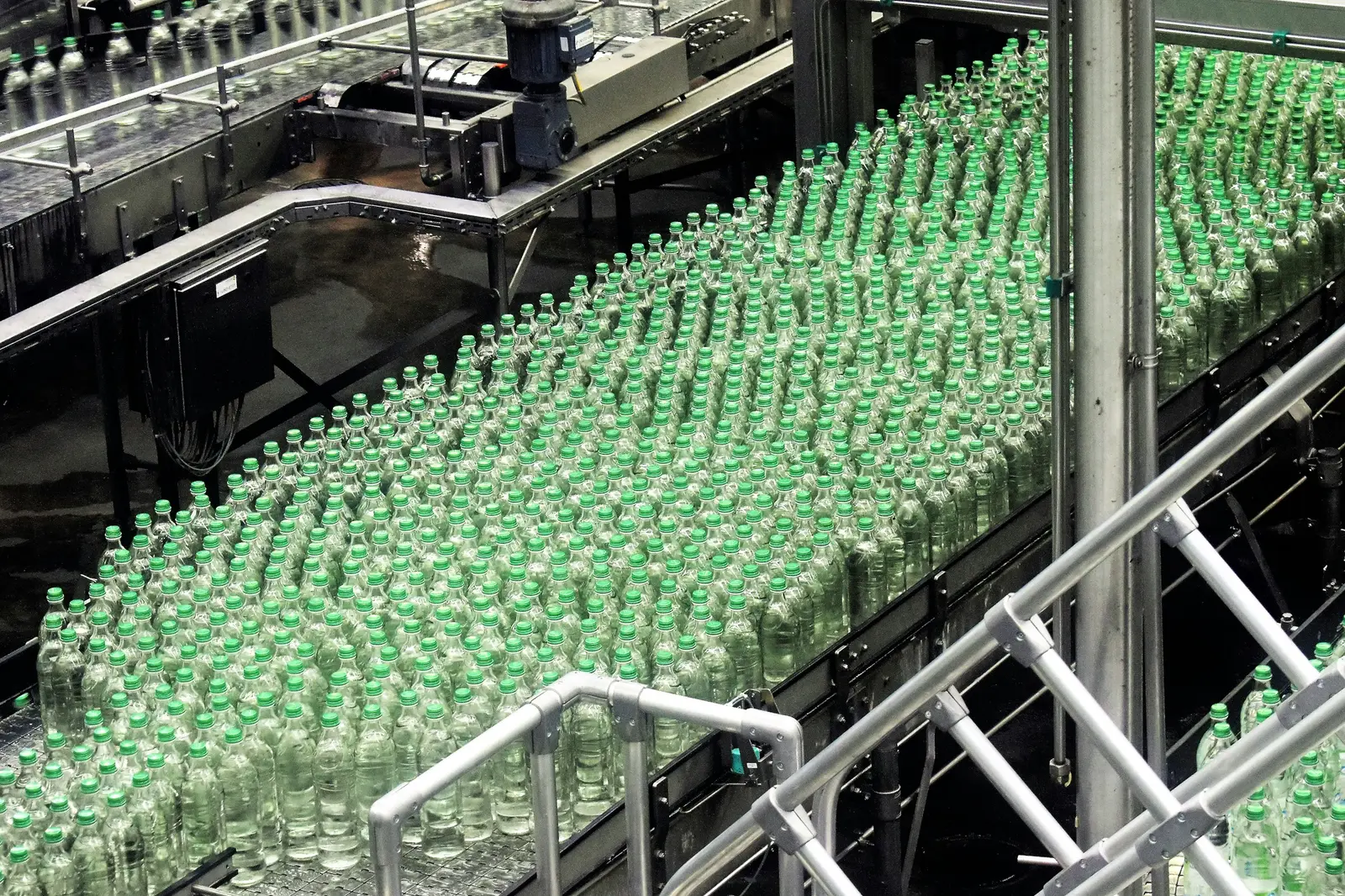
Most packaging lines combine several machine families. Fillers and cappers put product into containers, labelers identify it, shrink wrappers and bundlers group or protect it, case erectors and packers load shipping cases, and conveyors link each step. Which you need depends on your product and how much of the line is already automated.
Shrink wrappers and shrink tunnels
Wrap products in film and shrink it tight with heat. See the shrink wrap machine buying guide.
Bundlers
Group several products together into a single wrapped pack.
Sealers
Seal film or bags around products, often paired with a shrink tunnel.
Fillers and cappers
Fill containers with product and apply closures.
Labelers
Apply labels to products or packages.
Case erectors, packers and sealers
Form, load and close shipping cases.
Conveyors
Move product between machines and set the pace of the line.
What should you check on used packaging equipment?
Check that a used packaging machine can still be supported and that it runs your product. Ask for maintenance history, confirm parts availability for the make and model, check the controls and safety guarding, and settle who handles removal, rigging, shipping and installation before you agree on a price.
- Maintenance history and hours of operation, if recorded
- Availability of parts and support for the make and model
- Controls and software: version, access and support
- Guarding and safety documentation
- A run with your product and packaging before you commit
- Removal, rigging, shipping and installation: who does it and who pays
For a general used-equipment checklist, see the used equipment buying checklist.
How much does a packaging machine cost?
Packaging machine prices depend on the machine type, level of automation, age, condition and seller. Change parts, integration, installation and training can add to the total, so ask for a written quote that shows each of those separately, and compare quotes side by side with the worksheet below.
Questions to ask the seller
- Can you demonstrate this machine with our product and packaging?
- What output should we expect on our line, not the rated maximum?
- What is included for installation, training and support?
- Which parts wear out most often, and how available are they?
What to have ready for a quote
- The listing link or written quote
- Who is selling it: a dealer, a private seller or an auction
- Year, make, model and hours or miles, if known
- The price and exactly what it includes
- When you need the equipment working
Include the quote and what it covers, such as installation or integration. Options for new and used packaging equipment depend on your business, the equipment and the financing provider's review. See packaging equipment financing for what lenders commonly look at.
Frequently asked questions
What is a case packer?
A case packer loads products such as bottles, cans, cartons or pouches into shipping cases. It usually sits at the end of a packaging line, often alongside a case erector that forms the cases and a case sealer that closes them. Configurations vary with the product and pack pattern.
What is a filling machine?
A filling machine puts a measured amount of product into containers such as bottles, jars, cans or pouches. Filler types differ by product, from thin liquids to powders and thicker products, and are often paired with a capper. Ask suppliers to test with your product to confirm fill accuracy and speed.
How does a shrink wrap machine work?
A shrink wrap machine surrounds the product with film, seals it, then passes it through a heat tunnel that shrinks the film tight. See the shrink wrap machine buying guide for how to compare complete setups.
What is the best packaging machine for a small business?
There is no single best machine. The right choice depends on your product, packaging and daily volume. Many smaller operations start with manual or semi-automatic equipment and automate whichever step limits output first. Ask suppliers to demonstrate with your product before you buy.
Can you finance used packaging equipment?
Used packaging machines are commonly financed through third-party lenders, who look at the machine's age, condition and manufacturer along with your business. Requirements vary by lender. See packaging equipment financing for what lenders look at.
Put each quote side by side. Leave unknowns visible rather than assuming they are included.
Read: Packaging Equipment Financing for Fillers and Shrink Wrappers
Buying checklist
Machine
- Make, model and year
- Application and products it will run
- Stated output, and output demonstrated with your product
Included
- Change parts and tooling
- Integration with existing equipment
- Controls and software
Delivery and support
- Delivery and rigging
- Installation and commissioning
- Operator training
- Warranty and service terms
Price
- Quoted price and what it covers
- Freight, tax and installation shown separately