Quick answer
Packaging equipment such as shrink wrap machines, fillers, cappers, labelers and case packers is commonly financed with an equipment loan or a lease, with the machine as collateral. Lenders look at time in business, credit history, cash flow and customer concentration, along with the machine, its condition and the seller. Installation, tooling and integration may or may not be included, so ask each lender early.
Packaging is often where a growing manufacturer or co-packer hits the ceiling first. Production can make more product than the team can fill, cap, wrap and case by hand, and orders start waiting on the end of the line. Financing a machine spreads the cost over the period it is earning, instead of pulling working capital out of inventory and payroll.
Can you finance packaging equipment?
Yes. Shrink wrappers, shrink tunnels, fillers, cappers, labelers, case equipment and stretch wrappers are all commonly financed with an equipment loan or lease, and the machine serves as collateral. The lender typically records its interest with a UCC filing, a public notice released once the balance is paid.
| Machine | What it does | What to confirm with the seller |
|---|---|---|
| Shrink wrapper (L-sealer or sleeve wrapper) | Seals film around a product or bundle | Maximum product size, film type and gauge, sealing method |
| Shrink tunnel | Heats the film so it shrinks tight | Tunnel length, heat source, conveyor speed, electrical needs |
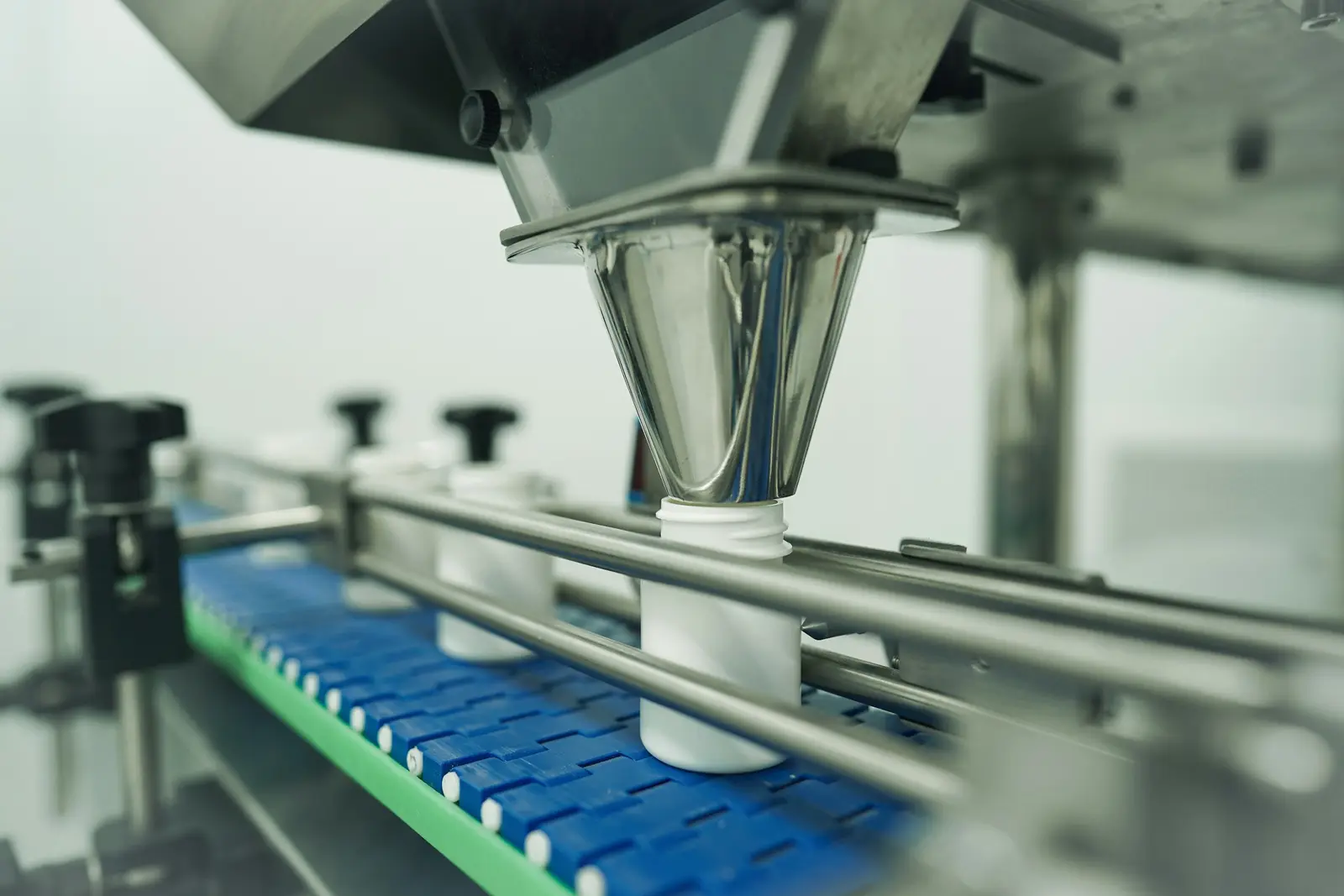
| Liquid or powder filler | Measures product into containers | Fill method and range, accuracy, container sizes, viscosity |
| Capper | Applies and tightens closures | Cap types and sizes, torque control, change parts |
| Labeler | Applies labels to containers or cases | Label sizes, container shapes, print-and-apply |
| Case erector, packer and sealer | Forms, loads and seals cases | Case size range, pack patterns, changeover time |
| Stretch wrapper | Wraps pallets for shipping | Turntable or rotary arm, load size and weight, pre-stretch |
See how packaging equipment financing requests come together, or read our equipment financing overview.
What is the difference between shrink wrap and stretch wrap machines?
A shrink wrap machine seals film around a product, then uses heat, usually in a tunnel, to shrink it tight. A stretch wrapper pulls film around a pallet load under tension and uses no heat. They solve different problems, use different film and are rarely interchangeable, so make sure the quote matches the job.
For machine-level detail, see the shrink wrap machine buying guide and the broader packaging equipment buying guide.
How much does a packaging or shrink wrap machine cost?
Packaging and shrink wrap machine prices vary widely by machine type, speed, automation level, materials and whether it is new or used, so the reliable figure is a written quote for your product and containers. A semi-automatic L-sealer and a fully automatic filling line are priced in different ranges.
The machine is rarely the whole cost. Freight, rigging, electrical work, integration with existing conveyors, change parts and operator training can add up. Get each listed as a separate line on the quote, because lenders treat soft costs differently.
How fast does your packaging line need to be?
Size the purchase to the output your line can sustain, which is set by its slowest step, not the fastest machine’s rated speed. Real output depends on:
- The slowest step. A fast filler feeding a slow capper runs at the capper’s pace.
- Changeovers. Many SKUs means time lost swapping change parts.
- Product and packaging. Foamy liquids, odd containers and thin film slow machines down.
- Staffing. Semi-automatic machines still depend on operators.
On a new machine, ask whether the builder offers a factory acceptance test, where you watch it run your actual product before it ships.
What do lenders look at on packaging equipment?
Lenders review the business and the machine together: time in business, credit history, bank statements and customer concentration on one side, and the machine’s type, condition and seller on the other. Read more in what lenders look at.
A standard shrink tunnel or stretch wrapper has a broad resale market. A machine designed around one bottle shape does not, so lenders may ask how much of a machine is standard and how much was built for your product. If you are weighing a lease because your formats may change, our article on equipment leasing vs. financing compares the options.
Can you finance used packaging machinery?
Yes. Used packaging machines can be excellent value, especially from plants that upgraded or closed. The trade-off is less certainty on condition, so documentation carries more weight. Ask the seller:
- What year was the machine built, and how many hours or cycles has it run?
- What products and containers has it run, and can I see it running, in person or on video?
- Which change parts, tooling, manuals and software are included?
- What are the electrical, air and floor space requirements?
- Has it been rebuilt or refurbished, and by whom?
- Are spare parts still available?
- Who owns the machine today, and are there any liens?
- Will the invoice list make, model, serial number and included components?
Plan the install before you sign
A machine that arrives before the building is ready sits in a crate while payments start. Walk the floor with whoever will install it:
- Power. Voltage, phase and amperage, and whether your panel can supply it. Shrink tunnels in particular can draw significant power.
- Compressed air. Many fillers, cappers and case packers run on shop air. Check volume and pressure against your compressor.
- Floor space and flow. Leave room for operators, maintenance access, infeed, outfeed and pallets.
- Sanitation. Food, beverage and personal care lines may need washdown-rated components.
- Consumables. Confirm the film, labels, closures and cases the machine is set up to run, and that you can source them.
- Guarding and training. Ask what safety interlocks come with the machine, especially on used equipment that may have been modified, and who will train your operators.
Can you finance a full packaging line at once?
Often, yes. A lender can review a filler, capper, labeler and case packer from different vendors as one project, if it is organized:
- Collect an itemized quote from each vendor
- Separate equipment from services such as installation and training
- Confirm delivery timing for each piece, since some lenders pay vendors separately
- Identify who is responsible for making the machines work together
If the line is built in phases, say so. A lender can review each phase as its own request. Larger production equipment, such as CNC and molding machines, is covered in our article on manufacturing equipment financing.
Getting a quote
Send a Quick Quote on the contact page with the machine or line details, the seller and your target timeline. A real person at Ironmark follows up to go over the request. Financing is provided by third-party lenders and is subject to their approval.
Frequently asked questions
Can installation and integration costs be financed with the machine?
Sometimes. Soft costs such as freight, rigging, electrical work, integration and training are treated differently by different lenders. Some include them in the financed amount and some do not. Ask the seller to list each soft cost as its own line on the quote, then ask each lender how it handles them.
Can I finance a machine bought at auction or from a plant liquidation?
It can be done, but auctions move quickly and lenders need time to review the seller, the machine and the paperwork. Talk to a lender before you bid, confirm what documentation the auction house provides, and understand the payment deadline. Paying at auction and seeking financing afterward is a different conversation.
Do I have to accept the machine before the lender pays the seller?
Many lenders ask the buyer to confirm delivery and acceptance before they release funds, and some pay a deposit to the vendor earlier in the process. The details vary by lender and deal. Ask how deposits, delivery and installation are handled before you sign anything with the seller.
Does a lease make sense if my packaging needs may change?
It can. If you expect to change container formats, add SKUs or move to a faster line in a few years, a lease with a clear end-of-term option may fit better than owning. If the machine will run the same products for many years, a loan may make more sense.
Most of my revenue comes from one or two customers. Is that a problem?
It is common for co-packers and contract manufacturers, and lenders see it often. Expect questions about how long you have worked with those customers and whether you have contracts or purchase orders. Documents that show a steady relationship help the lender understand the risk.