Quick answer
Yes, you can finance a CNC machine. Manufacturers commonly finance CNC mills, lathes, press brakes and production equipment with an equipment loan or a lease, with the machine as collateral. Lenders look at time in business, credit history, cash flow and customer base, along with the machine's age, condition and resale market. Tooling, rigging and installation may or may not be included.
For a job shop or small manufacturer, a new machine usually means one of three things: taking on work you currently turn away, bringing outsourced operations in house, or replacing an older machine that costs you in downtime and scrap. Financing lets the machine start paying for itself while you pay for it.
Can you finance a CNC machine?
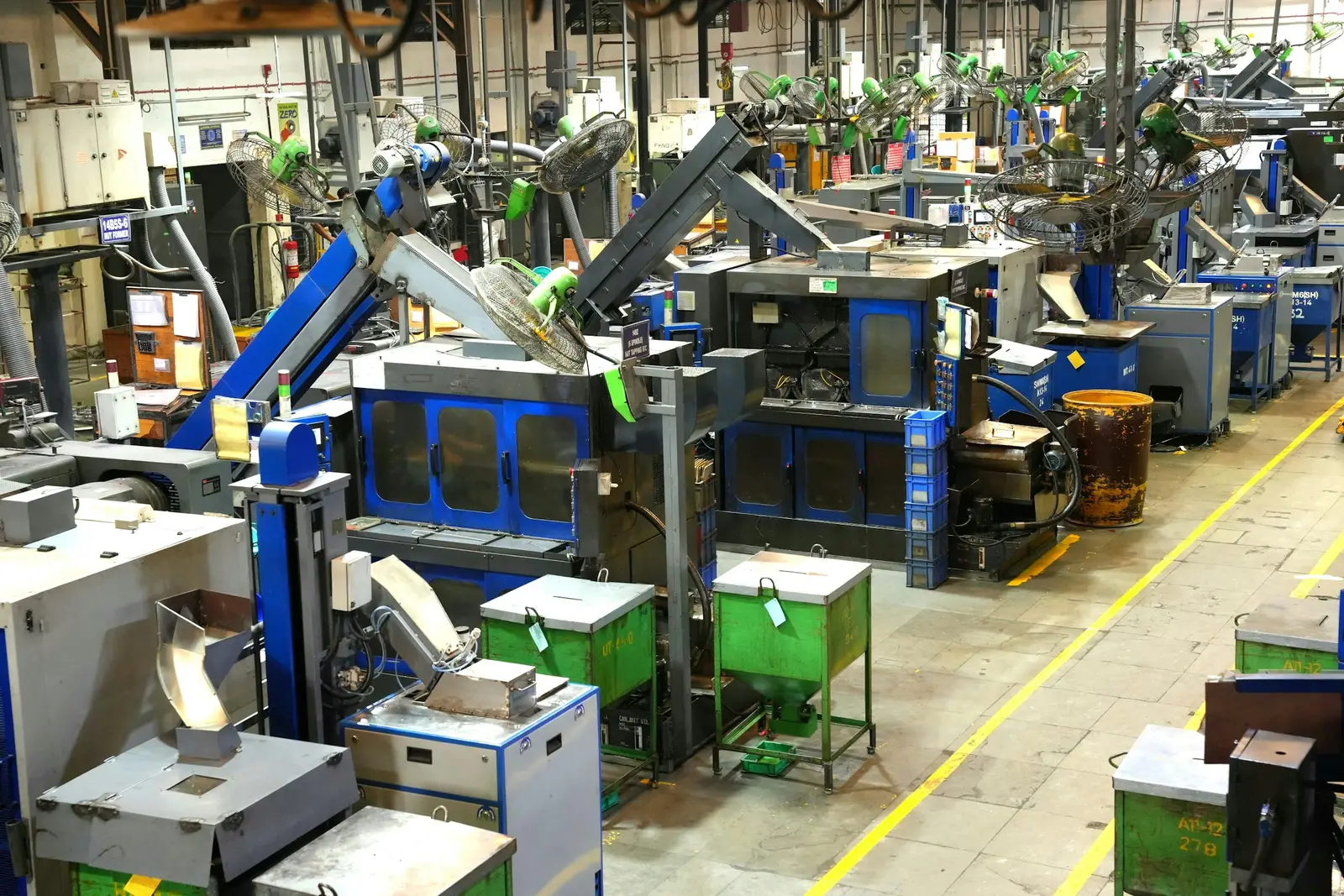
Yes. CNC machining centers, lathes, press brakes, laser and plasma cutters, injection molding machines and line equipment are all commonly financed, new or used. The machine serves as collateral, so lenders look at the machine as closely as they look at your shop.
For an overview of how requests come together, see our equipment financing page.
What are your CNC machine financing options?
Most manufacturing equipment is financed with an equipment loan or a lease. The right structure depends on how long the machine will stay productive in your shop.
- Equipment loan. You own the machine and make payments. The lender records its interest with a UCC filing, a public notice that is released when the balance is paid.
- $1 buyout lease. Written as a lease, but you buy the machine for a nominal amount at the end, so it works much like a loan.
- Fair market value (FMV) lease. You pay for the value you use, then buy at market value, renew or return the machine at the end.
- Down payment or trade-in. Money down or a trade-in lowers the amount financed. Whether either is needed varies by lender and deal.
A general purpose machining center may run for many years, which favors ownership. Equipment tied to one customer’s product may be outgrown sooner, which can make an FMV lease worth a look. For a side-by-side comparison, read equipment leasing vs. financing.
What should you check on each type of machine?
Check the wear points specific to the machine category, from spindle hours on a machining center to clamp tonnage on a molding press.
| Machine | What it does | What to confirm with the seller |
|---|---|---|
| CNC vertical machining center | Mills, drills and taps parts | Control make and version, spindle hours, travels, tool changer, probing |
| CNC horizontal machining center | Machines multiple sides of a part | Pallet system, rotary axis, chip handling, spindle service history |
| CNC lathe or turning center | Turns round parts, sometimes with live tooling | Bar feeder, turret condition, live tooling, sub-spindle |
| Press brake | Bends sheet metal | Tonnage and bed length, backgauge axes, tooling, guarding |
| Laser or plasma cutting system | Cuts sheet or plate | Source hours, cutting head, fume extraction, material handling |
| Injection molding machine | Forms plastic parts in molds | Clamp tonnage, shot size, hours, drive type, molds included |
| Conveyors and line equipment | Moves product between operations | Controls, integration, electrical requirements |
Catalog capacity describes ideal conditions. Ask what the machine realistically handles for your part mix, materials and tolerances. For fillers, wrappers and case packers, see our article on packaging equipment financing.
What do lenders look at when a manufacturer applies?
Lenders review the business and the equipment together: time in business, credit history, bank statements and, on larger requests, financial statements. For the full picture, see what lenders look at. A few points come up often with manufacturers:
- Customer concentration. Many shops rely on a handful of customers. Be ready to explain how long those relationships have lasted.
- Purchase orders and quotes. Evidence of work that needs the new capacity explains the timing.
- Resale market. Standard machines from established builders are easier to value than custom equipment.
- Soft costs. Rigging, freight, foundations, electrical work and training add up, and coverage varies by lender.
If the machine replaces outsourced work, compare what you pay outside vendors today against the expected payment. It shows a lender the logic of the purchase.
Can you finance a used CNC machine?
Yes. Used machines are financed regularly and can be very good value, especially from shops that upgraded or closed. They carry more uncertainty, so verify spindle condition, accuracy, control support and ownership before you commit.
- Spindle hours or power-on hours, if the control tracks them
- Service records, spindle rebuilds and major repairs
- Ballscrew and way condition, and whether the machine holds tolerance
- Any crash history the seller knows about
- Whether the control is still supported and parts are available
A ballbar test report or a test cut of a known part is one of the clearest ways to check accuracy. On a machine bought from another business, confirm who owns it and whether any lender has a lien. Our guide to private-party equipment financing explains that process, and the used equipment buying checklist covers inspection and paperwork.
How long does a CNC machine last?
A well-maintained CNC machine can stay productive for a long time, but its useful life depends on hours, maintenance, the work it runs and whether its control is still supported. Lenders commonly match financing terms to a machine’s expected working life, so an older machine may be offered a shorter term than a new one.
How do you plan the installation before you sign?
Plan power, foundation, rigging and programming first. A machine that cannot be powered up or moved through the door is a payment with no production behind it.
- Power. Voltage, phase and amperage, and whether you need a transformer or panel work
- Foundation. Larger machines may need a specific floor thickness or dedicated foundation
- Access and rigging. Door, aisle and overhead clearance, and who is responsible for damage in transit
- Air, coolant and chips. Compressed air needs, coolant systems and scrap handling
- Downtime and training. How orders keep moving during changeover, and who programs the machine
What to have ready for the lender
- A quote with make, model, serial number, year and control
- Photos of the machine, control screen, serial plate and hour display
- Your business name, entity type and years in operation
- Recent bank statements, and financial statements if you have them
- Main customers and any purchase orders tied to the new capacity
- Separate line items for rigging, freight, installation and tooling
Getting a quote
Send a Quick Quote on the contact page with the machine details, the seller and your install timeline. A real person at Ironmark follows up to go over the request. Financing is provided by third-party lenders and is subject to their approval.
Frequently asked questions
Can a new machine shop get CNC machine financing?
It can, though lenders tend to ask newer shops for more, such as the owner's machining experience, money down or a personal guarantee. Purchase orders, letters of intent or customers following you from a previous shop help show the machine will be busy. Requirements vary by lender, and no one can promise approval.
Can I trade in an older machine toward the new one?
Many sellers accept trade-ins and apply the value to the purchase price. Lenders will generally want the invoice to show the trade-in amount clearly, along with any loan payoff still owed on the old machine. Get the trade-in value in writing before you submit the request.
Can a control retrofit or major rebuild be financed?
Some lenders will finance a significant retrofit or rebuild on a machine you already own, while others prefer to finance complete machines only. Bring a detailed quote from the company doing the work and information on the machine being upgraded. Treatment varies by lender and deal.
What if I am moving into a new building at the same time?
Lenders will want to know where the machine will be installed and whether the building is ready for it. A signed lease or purchase agreement for the new space, plus a realistic installation timeline, helps. Keep the equipment request and the building project clearly separated on paper.
Is it better to buy one large machine or two smaller ones?
It depends on your parts mix and staffing. One larger machine may handle bigger work, while two smaller machines can add flexibility and reduce the risk of one breakdown stopping production. Talk it through with your team and your seller before you settle on a financing request.