Quick answer
Yes, you can finance a tow truck. Rollbacks, wreckers and heavy recovery units are usually financed with an equipment loan or lease, and the truck itself serves as collateral. Lenders commonly review time in business, credit history, bank statements, your call sources and the truck's age, mileage and condition. New and used tow trucks can both be financed, and requirements vary by lender.
Adding a truck is how a towing company grows, and replacing one is how it stays on the road. Either way, the truck has to match the calls you run, and the financing has to fit how towing revenue comes in. This guide answers the questions owners search most: whether you can finance a tow truck, how the process works, what happens with bad credit or a new business, and how to finance a used unit.
Can you finance a tow truck?
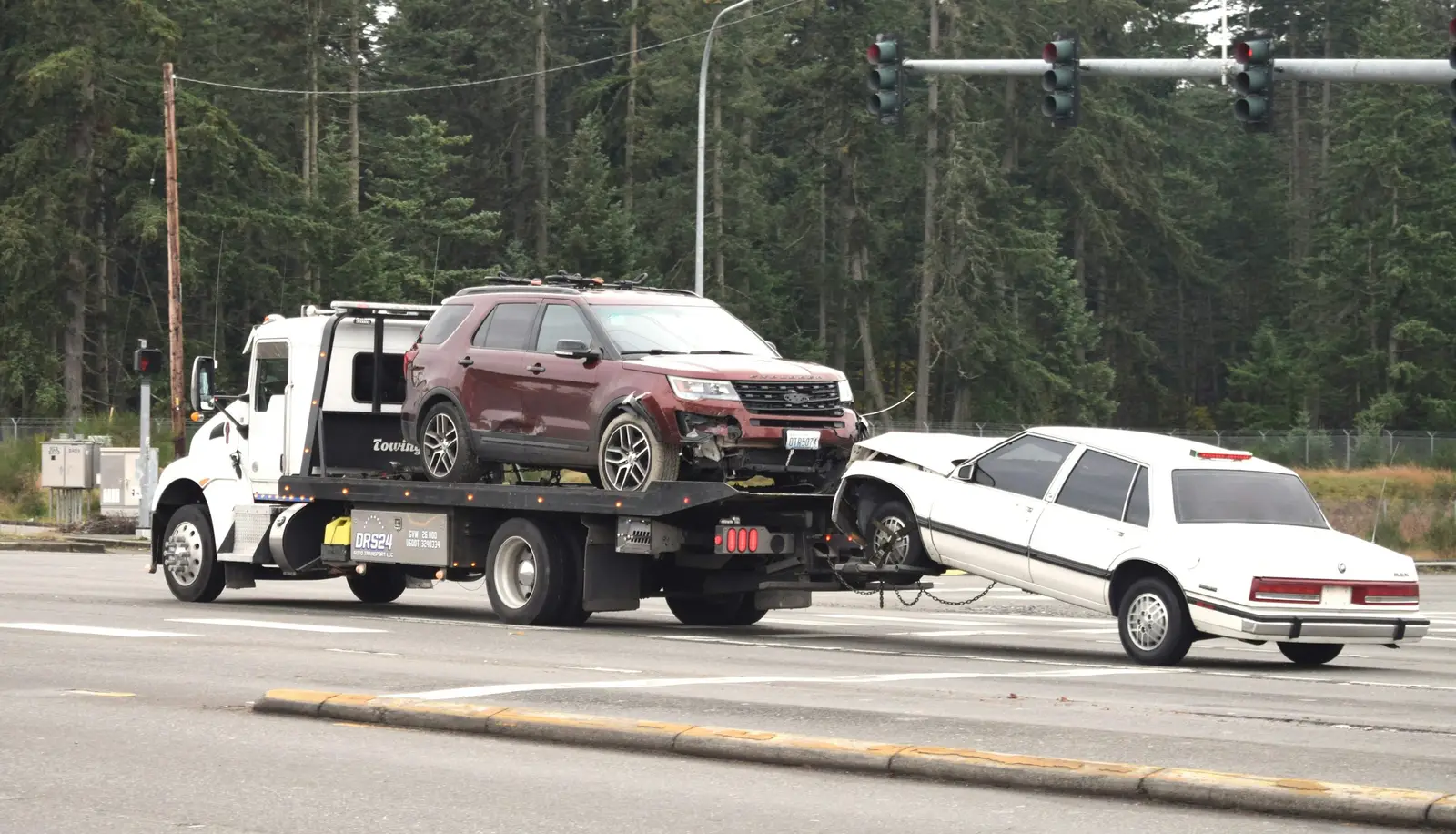
Yes. Tow trucks are commonly financed with an equipment loan or an equipment lease, and the truck serves as the main collateral. Rollbacks, light and medium wreckers, and heavy recovery units can all be financed, whether they are new from a dealer, used from a dealer, or bought from another operator.
Because the truck secures the deal, lenders look at the truck almost as closely as they look at your business. A well-documented unit with a clean title makes the request easier to review. For an overview of how requests are put together, see our page on tow truck financing or the broader equipment financing overview.
Which tow truck should you buy?
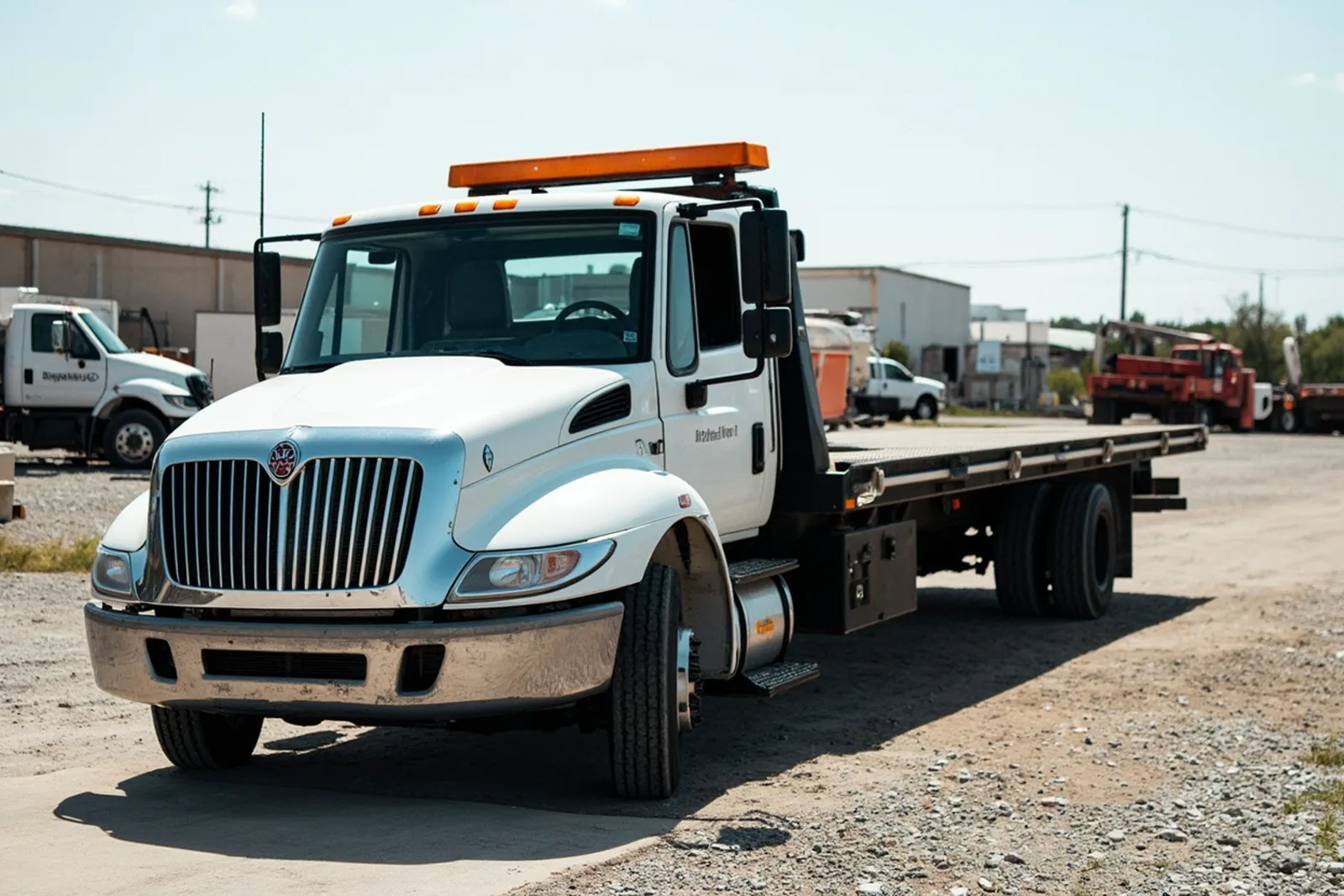
Buy the truck that fits the calls you are turning down or subcontracting today. Rollbacks, wreckers and heavy recovery units fit different work, and lenders and resale buyers see them differently, so be specific about what you are buying.
| Truck type | Typical calls | What to confirm with the seller |
|---|---|---|
| Rollback (car carrier) | Light-duty tows, dealer and auction transport, equipment moves | Bed length and material, winch and cable condition, tilt and slide function |
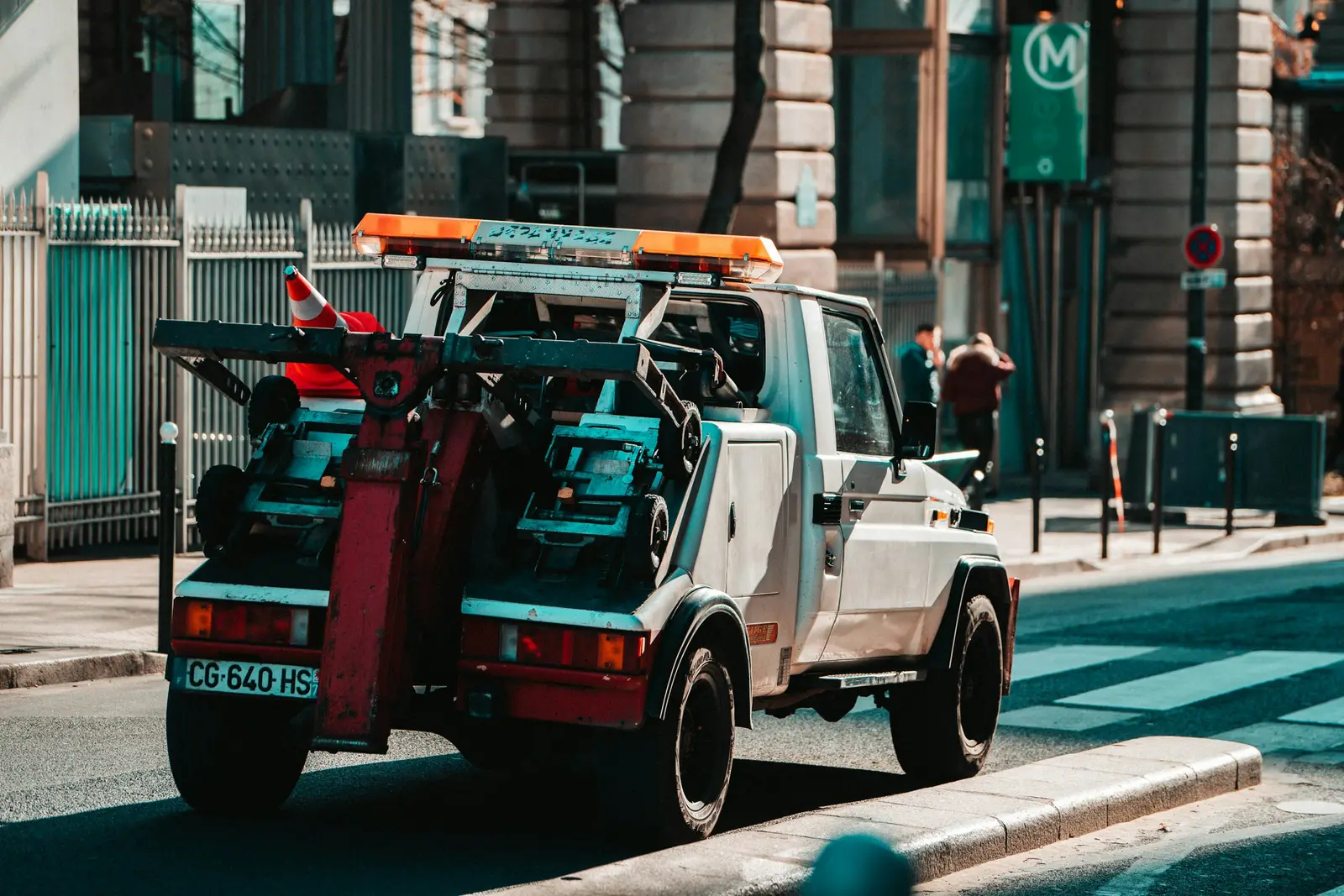
| Light-duty wrecker | Roadside tows, parking enforcement, repossession, tight spaces | Wheel-lift rating and condition, boom and winch function, wiring and lights |
| Medium-duty wrecker | Box trucks, buses, larger pickups and commercial vans | Boom and underlift ratings, chassis weight rating, winch capacity |
| Heavy wrecker or rotator | Semi and bus recovery, rollovers, heavy equipment incidents | Boom and underlift ratings, outriggers, rotation system, inspection records |
Rotation lists and motor clubs often set their own rules for truck type, equipment and insurance, so check those requirements before you buy. Our tow truck buying guide goes deeper on body types and configurations.
How do you finance a tow truck?
To finance a tow truck, pick the unit, get a written quote from the seller, gather your business and bank information, and have lenders review the truck and your business together. Most deals are structured as an equipment loan or a lease, with the truck as collateral.
A few terms come up on almost every tow truck deal:
- Collateral. The asset that secures the financing. On a tow truck deal, it is the truck.
- Equipment loan or finance agreement. You own the truck, and the lender holds a lien on the title until the balance is paid.
- Lease. The lender owns the truck during the term. A $1 buyout lease lets you buy it for a nominal amount at the end. A fair market value (FMV) lease lets you buy it at its market value then, renew, or return it.
- Down payment. Money you put toward the price up front. Whether one is required, and how much, varies by lender and deal.
- Personal guarantee. A promise by the owner to repay if the business cannot. Common on small business deals.
Tow trucks rack up miles, so think about how long you will keep the unit. If you plan to run it for years, ownership may make more sense. If you rotate trucks to keep the fleet reliable, a lease with a clear end-of-term option may fit. Our article on equipment leasing vs. financing compares the two.
What lenders look at for towing companies
Each lender sets its own criteria, but these areas come up on many tow truck requests:
- Time in business and experience, including years you towed for another operator
- Credit history, business and personal
- Cash flow, shown through recent bank statements
- Call sources, such as motor clubs, police or municipal rotation, dealerships, repair shops and impound agreements
- The truck: year, make, model, VIN, mileage and body condition
- The seller: dealer, private party or auction, and whether the title is clean
Towing revenue arrives as many small payments. If much of it comes from motor club remittances or cash impound releases, a short note explaining the pattern saves questions later. For more on the review, read what lenders look at.
Can you get tow truck financing with bad credit?
It depends on the lender and the rest of the file. Lenders weigh credit alongside time in business, cash flow, experience and the truck itself, so a credit problem does not automatically end the conversation, but it can mean more questions, more money down, or fewer options. Nobody can promise approval.
What helps most is context. A short, honest note on what happened, when, and how it was resolved gives a lender information a credit report cannot. Steady bank deposits, signed rotation or motor club agreements, and a well-documented truck also help. Be cautious with offers that promise approval regardless of credit.
Can a new towing business get tow truck financing?
Newer towing companies can often find options, though lenders tend to ask for more documentation, and sometimes money down or a personal guarantee. The owner’s experience matters a great deal here.
If you drove or ran trucks for another towing company, put that history in writing. Show where the calls will come from: a pending rotation spot, motor club territory, or dealer and repair shop relationships. A clear plan with real call sources is easier to review than a request that only lists the truck.
Can you finance a used tow truck?
Yes. Used tow trucks are financed regularly, including trucks bought from other operators. Expect lenders to look harder at the age, mileage and condition of the truck and body, and to require title and lien checks on private sales. Our article on private-party equipment financing covers those extra steps.
Used tow truck checklist
- Is the title clean, in the seller’s name, with no liens? Does the VIN match?
- What are the wheel-lift, boom and winch ratings, and when were cables last replaced?
- Are there hydraulic leaks, cylinder rebuilds or recent repairs to the bed or boom?
- Are maintenance records and past DOT inspection reports available?
- Does the truck’s weight rating match the licenses your drivers hold?
- Which lights, toolboxes and accessories are included on the invoice?
- Will the seller allow an independent inspection before the sale?
How much does it cost to finance a tow truck?
The cost to finance a tow truck depends on the price of the truck, the structure (loan or lease), the term, any down payment, fees, and the lender’s view of your business and the unit. There is no standard rate, so the only reliable way to know the cost is to compare written quotes.
Line up every quote on the same points:
- The total of all payments over the term, plus any amount due up front
- Documentation, origination or lien filing fees
- Loan or lease, and what happens at the end of the term
- Prepayment terms if you sell or pay off the truck early
- Whether the body, lights and upfits are included in the financed amount
- Insurance requirements, such as physical damage coverage and naming the lender as loss payee
Tow trucks carry specialized insurance, and the premium can vary with the truck type and your history. Get an insurance quote on the specific unit before you commit, so the full monthly cost is clear.
Getting a quote
When you have a truck in mind, send a Quick Quote with the equipment details and a real person from Ironmark will follow up. Financing is provided by third-party lenders and is subject to their approval.
Frequently asked questions
How long can you finance a tow truck?
There is no single answer. Lenders set the term based on the truck's price, age and expected working life, along with your business profile. A newer truck may be offered a longer term than an older, high-mileage one. Ask each lender what term it can offer on the specific unit, and compare the total cost across terms, not just the payment.
Is there tow truck financing with no credit check?
Most equipment lenders review credit in some form, even when they also weigh time in business, cash flow and the truck. Be careful with any offer that promises approval without looking at anything. Ask each lender how and when it checks credit, and whether it uses a soft or hard inquiry, before you share your information.
Can I use a tow truck financing calculator to estimate my payment?
A payment calculator is useful for rough planning, but it only reflects the price, term and rate you type in. Your actual terms depend on the lender's review of your business and the specific truck. Use a calculator to set a budget, then compare real written quotes on total cost, fees and end-of-term options.
Can I finance a new body on my existing chassis?
Some lenders will consider financing a body, remount or upfit, though it is less common than financing a complete truck because a body is harder to treat as separate collateral. Ask the body builder for a detailed invoice, and check with lenders before you commit to the build.
Is a heavy rotator financed the same way as a rollback?
The basic structure is the same: a loan or lease with the truck as collateral. Because heavy recovery units are costly and specialized, lenders often look more closely at your experience, the work behind the truck and the unit's condition. Some lenders focus on lighter trucks, so it helps to find ones familiar with heavy recovery.