Quick answer
Generally, yes. A dump truck, tow truck, vacuum truck or other heavy work truck bought and used more than half for business can usually be expensed under Section 179 for 2026, up to the $2,560,000 limit in IRS Rev. Proc. 2025-32, and financing it with a loan or equipment finance agreement generally does not change that, though a fair market value lease usually does. The truck has to be placed in service, meaning delivered and ready to work, by the end of your tax year, which is December 31, 2026 for a calendar-year business. Ironmark does not give tax advice, so confirm your situation with your CPA.
A work truck is often the biggest purchase a towing, hauling or septic business makes all year, and every November the same question comes up: if I buy and finance a truck now, can I write it off this year? For most heavy work trucks the answer is yes, as long as the truck is working by the end of the year. This guide covers the 2026 Section 179 numbers, which trucks and machines qualify, how loans and leases change things, and what "placed in service" means before December 31. Ironmark is not a lender and does not give tax advice, so use this to prepare and then confirm your situation with your CPA.
Can you use Section 179 on a work truck in 2026?
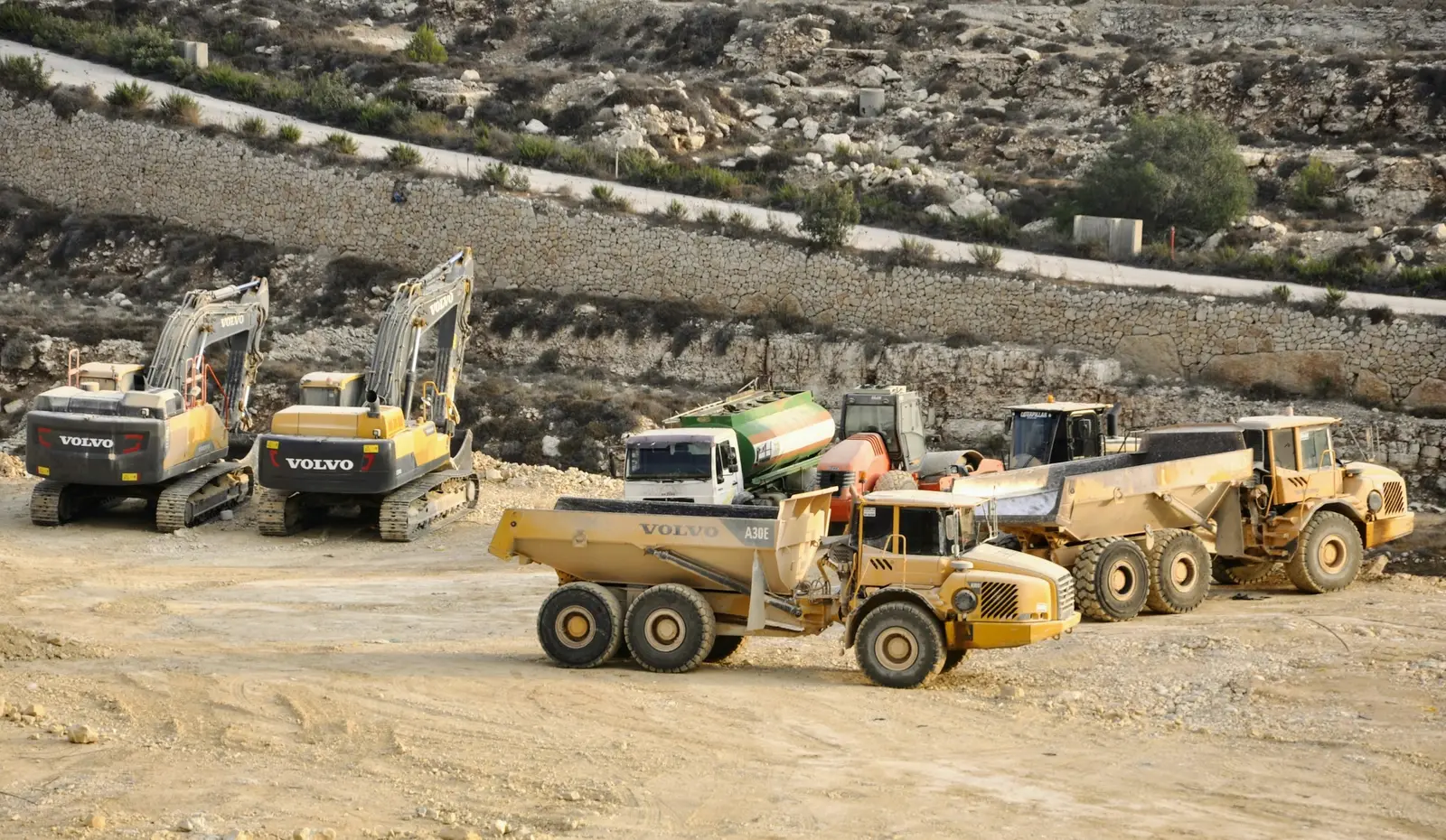
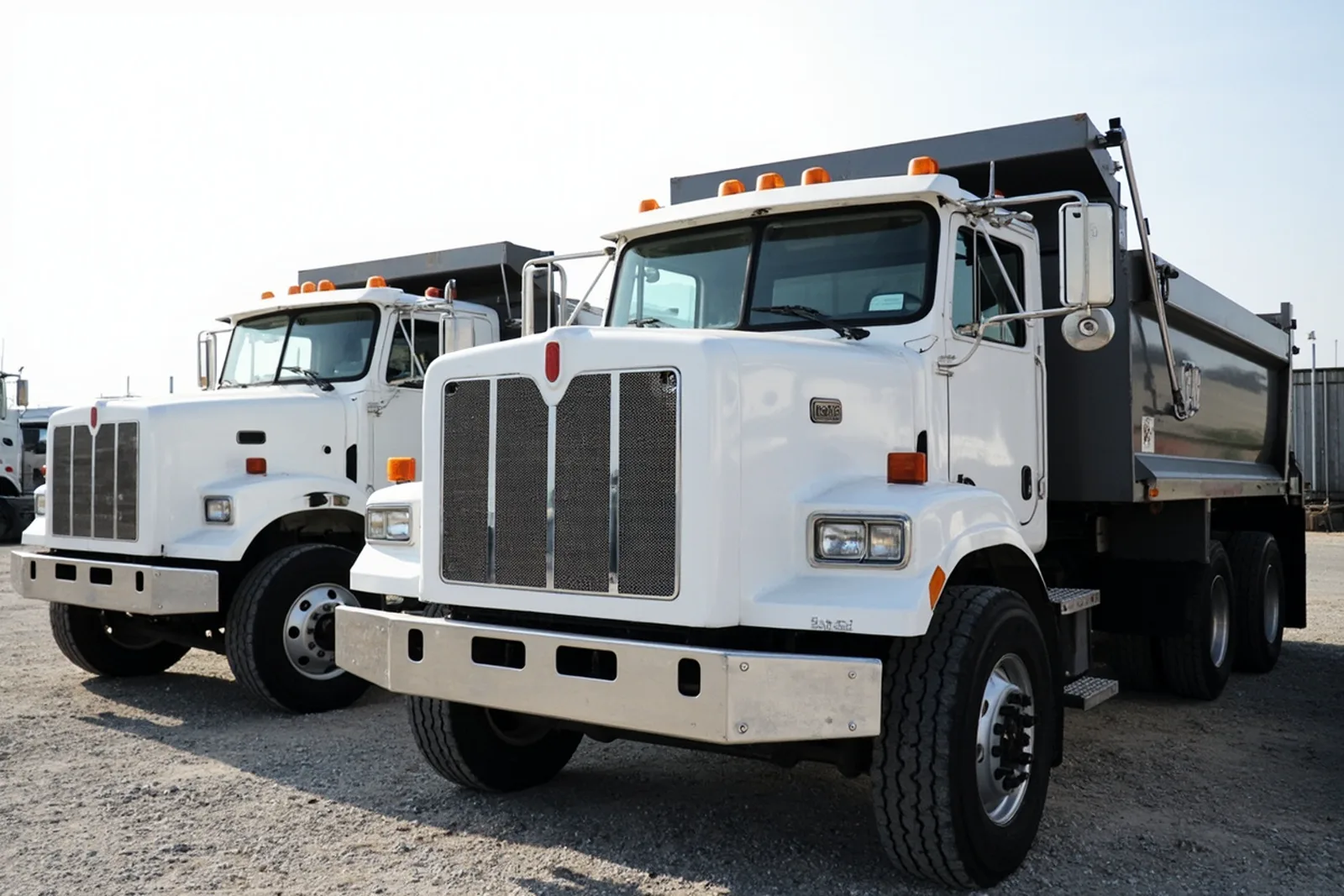
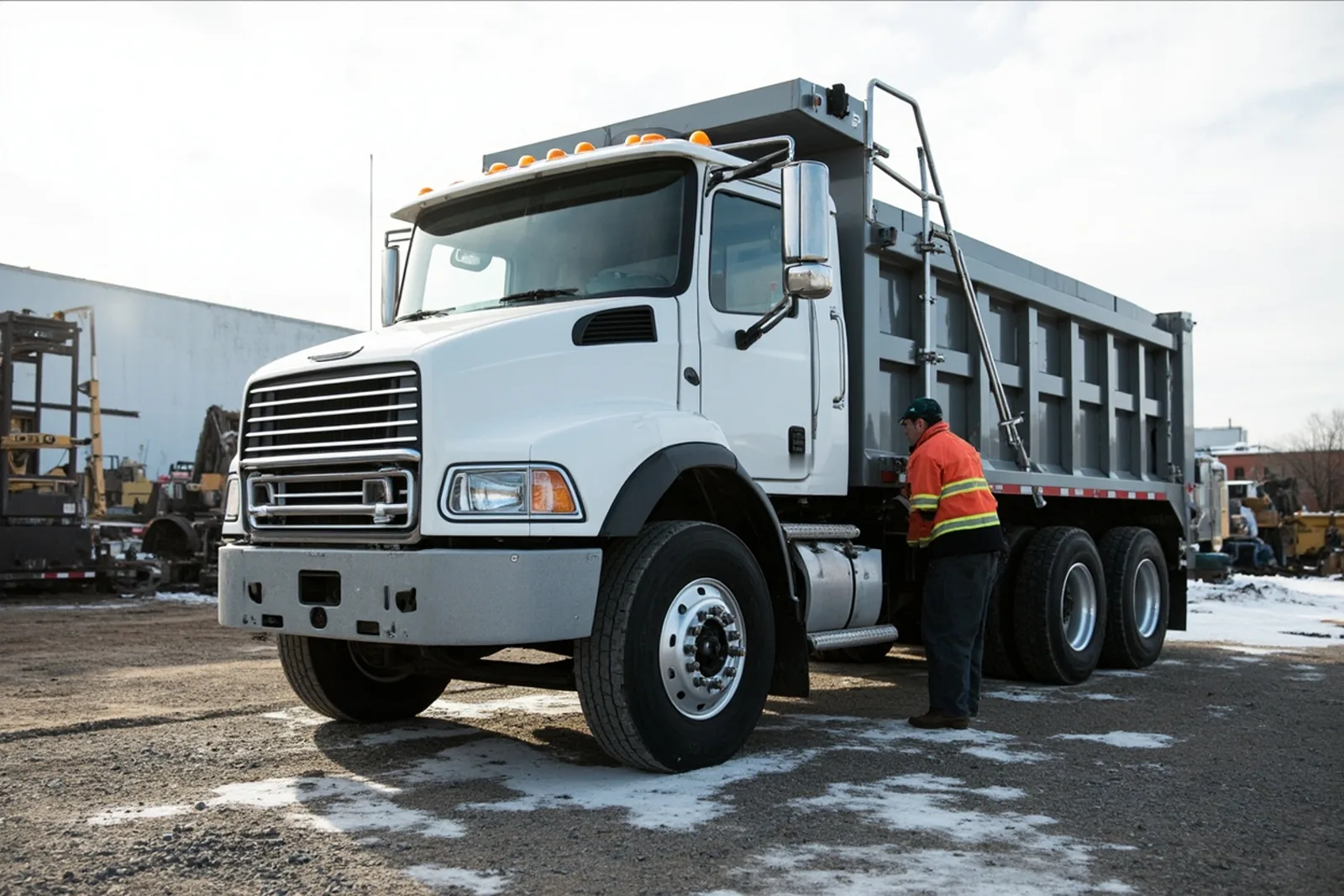
Yes, in most cases. Section 179 lets a business deduct the cost of qualifying equipment in the year it is placed in service instead of depreciating it over several years, and for 2026 the limit is $2,560,000 (IRS Rev. Proc. 2025-32). A dump truck, rollback, wrecker, vacuum truck, hydrovac or roll-off truck bought for business use generally qualifies, and so do machines such as excavators, skid steers and directional drills.
Three conditions do most of the work:
- Placed in service in 2026. The truck has to be ready and available to work by the end of your tax year. Signing in December is not enough if the truck arrives in January.
- More than 50% business use. Section 179 applies only to property used more than half for business, and only the business share counts (IRS Publication 946).
- Bought from an unrelated seller. A truck you inherit, receive as a gift or buy from a related person, such as a parent, child or spouse or a company you control, generally does not qualify.
The deduction is also limited to your taxable income from the business for the year. Any amount you cannot use because of that limit generally carries forward to later years. That matters most for a new company with little income in its first year, and it is one reason CPAs often look at bonus depreciation alongside Section 179.
What are the Section 179 limits for 2026?
For tax years beginning in 2026, a business can expense up to $2,560,000 of qualifying equipment. The limit shrinks dollar for dollar once the equipment you place in service during the year passes $4,090,000. These figures come from IRS Rev. Proc. 2025-32 and are repeated in the What's New for 2026 section of IRS Publication 946.
| 2026 rule | Amount | Source |
|---|---|---|
| Maximum Section 179 deduction | $2,560,000 | Rev. Proc. 2025-32 |
| Limit starts shrinking when equipment placed in service in 2026 passes | $4,090,000 | Rev. Proc. 2025-32 |
| No Section 179 deduction left once equipment placed in service reaches | $6,650,000 | $4,090,000 plus $2,560,000 |
| Cap for an SUV rated over 6,000 lb and up to 14,000 lb GVWR | $32,000 | Rev. Proc. 2025-32 |
| Bonus depreciation for qualified property acquired after January 19, 2025 | 100%, permanent | IRS news release IR-2026-06 and Notice 2026-11 |
| Business use required | More than 50% | IRS Publication 946 |
| Deadline | Placed in service by the end of your 2026 tax year (December 31, 2026 for a calendar-year business) | IRS Publication 946 |
We checked these figures against the IRS sources above on November 2, 2026. The same publication's What's New for 2025 section lists last year's figures as $2,500,000, $4,000,000 and a $31,300 SUV cap, so a page or calculator that still shows $31,300 is using last year's numbers.
Which work trucks and equipment qualify?
Heavy work trucks and most job-site machines generally qualify as Section 179 property when they are used more than half for business. What changes from one to the next is whether any vehicle limit applies, and for heavy trucks it usually does not.
IRS Publication 946 lists qualified nonpersonal use vehicles, which are vehicles not likely to be used much for personal purposes. The list includes dump trucks (including garbage trucks), flatbed trucks, bucket trucks, cement mixers, cranes and derricks, forklifts, and any vehicle designed to carry cargo with a loaded gross vehicle weight over 14,000 pounds.
| Equipment | How it is generally treated | What to check |
|---|---|---|
| Dump trucks | Named by the IRS as a qualified nonpersonal use vehicle | Business use over 50% |
| Rollback tow trucks | A flatbed truck, which the IRS names as a qualified nonpersonal use vehicle | GVWR on the door sticker; ask your CPA how a lighter rollback is classified |
| Wrecker tow trucks | Not named on the IRS list; one rated over 14,000 lb GVWR is outside the SUV cap's weight range | Ask your CPA how your wrecker is classified and what use records to keep |
| Vacuum and septic trucks, hydrovacs | Not named on the list; generally fall under cargo vehicles over 14,000 lb loaded GVW | Confirm the GVWR and the classification with your CPA |
| Roll-off trucks | Not named on the list; generally fall under cargo vehicles over 14,000 lb loaded GVW | Confirm the GVWR and the classification with your CPA |
| Excavators, skid steers, directional drills | Job-site machines, not road vehicles, so the vehicle caps do not apply | Placed in service and business use |
| Packaging and manufacturing equipment | Business equipment, not vehicles | Installed and ready to run by year end |
| Pickups over 6,000 lb GVWR | No SUV cap if the bed is at least six feet long and not readily reachable from the cab; otherwise the $32,000 cap can apply | Measure the bed and read the GVWR |
| SUVs over 6,000 lb and up to 14,000 lb GVWR | Capped at $32,000 for 2026 | Business use over 50% |
The $32,000 cap comes from Rev. Proc. 2025-32, and the six-foot bed exception from Publication 946. If a truck sits close to a weight line, read the gross vehicle weight rating on the door jamb sticker or the title paperwork rather than going by the model name.
Does the $32,000 SUV limit apply to work trucks?
No, not to heavy work trucks. Under IRS Publication 946, the $32,000 cap (the 2026 figure from Rev. Proc. 2025-32) applies to four-wheeled vehicles built mainly to carry passengers and rated over 6,000 pounds but not over 14,000 pounds gross vehicle weight. A truck rated over 14,000 pounds is outside that range.
Even inside that range, Publication 946 excludes a vehicle from the SUV cap if it:
- Has a cargo area at least six feet long that is not readily accessible from the passenger compartment
- Seats more than nine passengers behind the driver
- Has an integral enclosure over the driver's compartment and load area, no seating behind the driver, and no body section reaching more than 30 inches ahead of the windshield
Separate depreciation limits apply to passenger vehicles rated 6,000 pounds or less, but trucks and vans that are qualified nonpersonal use vehicles are excluded from those too.
Can you take Section 179 on a financed truck?
Generally, yes. If you buy the truck with an equipment loan or an equipment finance agreement, you own it, so you can generally deduct its cost in the year it is placed in service even though you pay for it over several years. Publication 946 gives the example of a van bought with payments over five years: the buyer owns the van and can depreciate it.
How a lease is treated depends on its structure. The table lines up the three you are most likely to be offered.
| Structure | Who owns the truck | Section 179 for you |
|---|---|---|
| Equipment loan or equipment finance agreement | You, with the lender holding a lien | Generally yes, on the truck's cost |
| $1 buyout lease | Written as a lease, but you end up owning the truck for a nominal amount | Often treated like a purchase, depending on the contract terms; ask your CPA |
| Fair market value lease | The leasing company | Generally no; the leasing company owns the truck |
Our article on equipment leasing vs financing explains how these structures differ beyond tax.
Here is how the timing works, with round numbers for illustration only. Say you buy a used truck for $150,000 in December 2026, put 10% down and finance the rest.
- Cash you pay in 2026: the $15,000 down payment, plus any payment that falls due before December 31
- Cost you can elect to expense under Section 179 for 2026: up to $150,000, subject to the business income limit
- What you owe the lender: the $135,000 financed plus finance charges, paid over the term
The deduction follows the truck's cost, not the cash you have paid so far. Your actual tax effect depends on your income, your state and your tax rate, so ask your CPA to run the numbers before you sign.
What does placed in service by December 31 mean?
It means the truck is ready and available to do its job in your business, which is the wording IRS Publication 946 uses. Signing the contract, paying a deposit or getting financing approved in December does not count if the truck is still on the dealer's lot, in transit or waiting on its body on December 31. For a calendar-year business the deadline is December 31, 2026; a business with a fiscal year uses the end of its own tax year.
Allow extra time for any truck that needs upfitting. A chassis waiting on a vacuum system, wheel-lift or dump body is generally placed in service when the finished truck is delivered ready to work, not when the bare chassis arrives.
Working back from December 31:
- Pick the truck and get the seller's written quote or invoice with the year, VIN, miles or hours and price.
- Send your financing request with that quote. Lenders review documents such as bank statements and tax returns; our article on what lenders look at covers them.
- For a used, auction or private-party truck, line up the inspection, title and any lien payoff early. Auctions set their own payment and pickup deadlines, so read the terms before you bid.
- Confirm the delivery date in writing and book any upfit or body work.
- Put the truck to work, and keep the delivery paperwork and the first work order or log entry that shows the date it went into service.
Lender review and delivery times vary from deal to deal, and Ironmark cannot promise either one, so start well before the last weeks of December.
Section 179 or bonus depreciation: which applies in 2026?
Often both are available. For qualified property acquired after January 19, 2025, bonus depreciation is permanently back at 100% (IRS news release IR-2026-06), so a qualifying truck can be written off in its first year either way. The differences show up at the edges: Section 179 has a dollar limit and cannot exceed your business income, while bonus depreciation has neither, and you choose Section 179 item by item while bonus depreciation applies unless you elect out.
| Section 179 | 100% bonus depreciation | |
|---|---|---|
| Dollar limit in 2026 | $2,560,000, shrinking once equipment placed in service passes $4,090,000 (Rev. Proc. 2025-32) | None |
| Limited to business income | Yes; the unused amount generally carries forward | No |
| New and used equipment | Both, if bought from an unrelated seller | New property or certain used property |
| How you claim it | You elect it, item by item, on Form 4562 | Applies automatically unless you elect out for a class of property |
| State taxes | Some states do not follow the federal limit | Some states do not follow federal bonus depreciation |
Which one to lean on depends on your income this year and next, your state, and whether you expect to earn more later. That is a conversation for your CPA, ideally before you sign.
Do used trucks and private sales qualify?
Generally, yes. Section 179 is not limited to new equipment, and IRS Publication 946 says bonus depreciation can apply to new property or certain used property. What matters is that you buy the truck rather than inherit it or receive it as a gift, and that the seller is not a related person, such as a parent, child or spouse or a company you control.
Two things catch buyers out:
- Trade-ins. The value of a truck you trade in generally does not count toward the cost you can expense under Section 179 (IRS Publication 946). Ask your CPA how your trade-in is treated.
- Buying from family. A truck bought from your father's company or your own other business may not qualify, even at a fair price.
For the buying side of a used or private sale, see our articles on private-party equipment financing and auction equipment financing, and the used equipment buying checklist.
What should you ask your CPA before you buy?
Take these questions with you, along with the truck's quote and the financing terms you have been offered:
- Will my 2026 business income support the full deduction, or should I use bonus depreciation instead?
- Does my state follow the federal Section 179 limit and bonus depreciation?
- How will the structure I have been offered be treated: loan, equipment finance agreement, $1 buyout lease or fair market value lease?
- Is my truck a qualified nonpersonal use vehicle, and what use records should I keep?
- If I trade in a truck, how does that change the cost I can expense?
- What happens if my business use drops to 50% or less in a later year?
Getting a quote
If you are buying a work truck before year end, send a Quick Quote with the truck, the seller and the delivery date you need. Ironmark is not a lender: we connect you with third-party lenders, who make the credit decision and set the rate and terms. To see the steps first, read how it works.
Frequently asked questions
Can you write off a dump truck?
Usually, yes. A dump truck used more than half for business generally qualifies for Section 179, and IRS Publication 946 lists dump trucks as qualified nonpersonal use vehicles, so the passenger vehicle and SUV caps do not apply. For 2026 you can expense up to $2,560,000 of qualifying equipment placed in service by the end of your tax year (IRS Rev. Proc. 2025-32).
Does a tow truck qualify for Section 179?
Generally, yes. A rollback is a flatbed truck, which IRS Publication 946 lists as a qualified nonpersonal use vehicle, and a wrecker rated over 14,000 pounds GVWR is outside the weight range of the SUV cap in the same publication. Confirm how your specific truck is classified with your CPA, and keep records showing business use above 50%.
What is the weight limit for Section 179?
There is no single weight limit. The weights that matter are 6,000 and 14,000 pounds gross vehicle weight: an SUV rated over 6,000 and up to 14,000 pounds is capped at $32,000 for 2026, while trucks rated over 14,000 pounds and qualified nonpersonal use vehicles are not subject to that cap. Passenger vehicles rated 6,000 pounds or less fall under separate depreciation limits. These weight rules are in IRS Publication 946, and the $32,000 figure is from Rev. Proc. 2025-32.
What if the truck is delivered in January?
For a calendar-year business it is generally placed in service in 2027, so the deduction belongs to your 2027 tax year even if you signed and paid a deposit in December 2026. A fiscal-year business goes by the end of its own tax year, so confirm the timing with your CPA.
Do I have to pay off the truck to take the deduction?
Generally, no. When you buy with a loan or an equipment finance agreement, you own the truck and can generally expense its cost in the year it is placed in service while you repay the lender over the term (IRS Publication 946). Confirm with your CPA.
Can I take Section 179 on a truck I lease?
It depends on the lease. Under a fair market value lease the leasing company owns the truck, so you generally cannot. A $1 buyout lease can be treated like a purchase, depending on its terms, so ask your CPA how yours is treated.
Is equipment financing tax deductible?
The truck's cost is recovered through Section 179 or depreciation, not by deducting each loan payment. Interest on a loan used for the business is generally a deductible business expense on its own. Your CPA can confirm how both apply to you.
Can a new business use Section 179?
Yes, but the deduction cannot exceed the business's taxable income for the year, so a company in its first months may not be able to use all of it in 2026. The unused part generally carries forward, and bonus depreciation, which has no business income limit, is often the other option to discuss with your CPA.