Quick answer
Roll-off trucks are usually financed with an equipment loan or a lease, with the truck serving as collateral. Lenders commonly look at time in business, credit history, cash flow, and the truck's age, mileage, hoist condition and title. Dumpster containers can often be financed with the truck or as a separate package. New dumpster rental businesses can find options, though they should expect more questions.
A roll-off truck is a revenue asset in the plainest sense. Every haul it runs is a billable job, and every day it sits in the shop is a day the phone rings and you cannot say yes. That is why many owners finance these trucks rather than paying cash, and why the details of the truck matter so much to the lender.
How does roll-off truck financing work?
Roll-off trucks are commonly financed with an equipment loan, where you own the truck and make payments, or a lease, where the lender owns the truck and you choose what happens at the end. In both cases the truck is the collateral, the asset that secures the deal, and the lender is recorded on the title until the balance is paid.
On a lease, a $1 buyout lets you buy the truck for a nominal amount at the end, while a fair market value (FMV) lease lets you buy at market value, renew or return it. To compare the two, read equipment leasing vs. financing. For how requests come together, see roll-off truck financing and our equipment financing overview.
A lender is underwriting two things at once:
- The business. Time in business, credit history, bank statements and how steady your hauling revenue looks.
- The truck. Year, make, model, mileage, hoist type and capacity, condition and title status.
A strong business buying a tired truck can get a harder conversation than a newer business buying a well-documented one.
Can you finance a roll-off truck to start a dumpster rental business?
Often, yes, though startups should expect lenders to lean harder on personal credit, industry experience and the plan for revenue. Money down or a personal guarantee may be requested. Requirements vary by lender.
A written plan makes the request easier to review. Include your target customers, how many containers you will start with, landfill or transfer station access, expected routes, and any commercial accounts or contractor relationships you already have. If you drove roll-offs for another hauler, say so. For more, read what lenders look at.
If you already run trucks, your payment history on them becomes part of the story. A clean record on your first trucks is one of the most useful things you can bring to the next deal.
Hook lift vs. cable roll-off: which truck do you need?
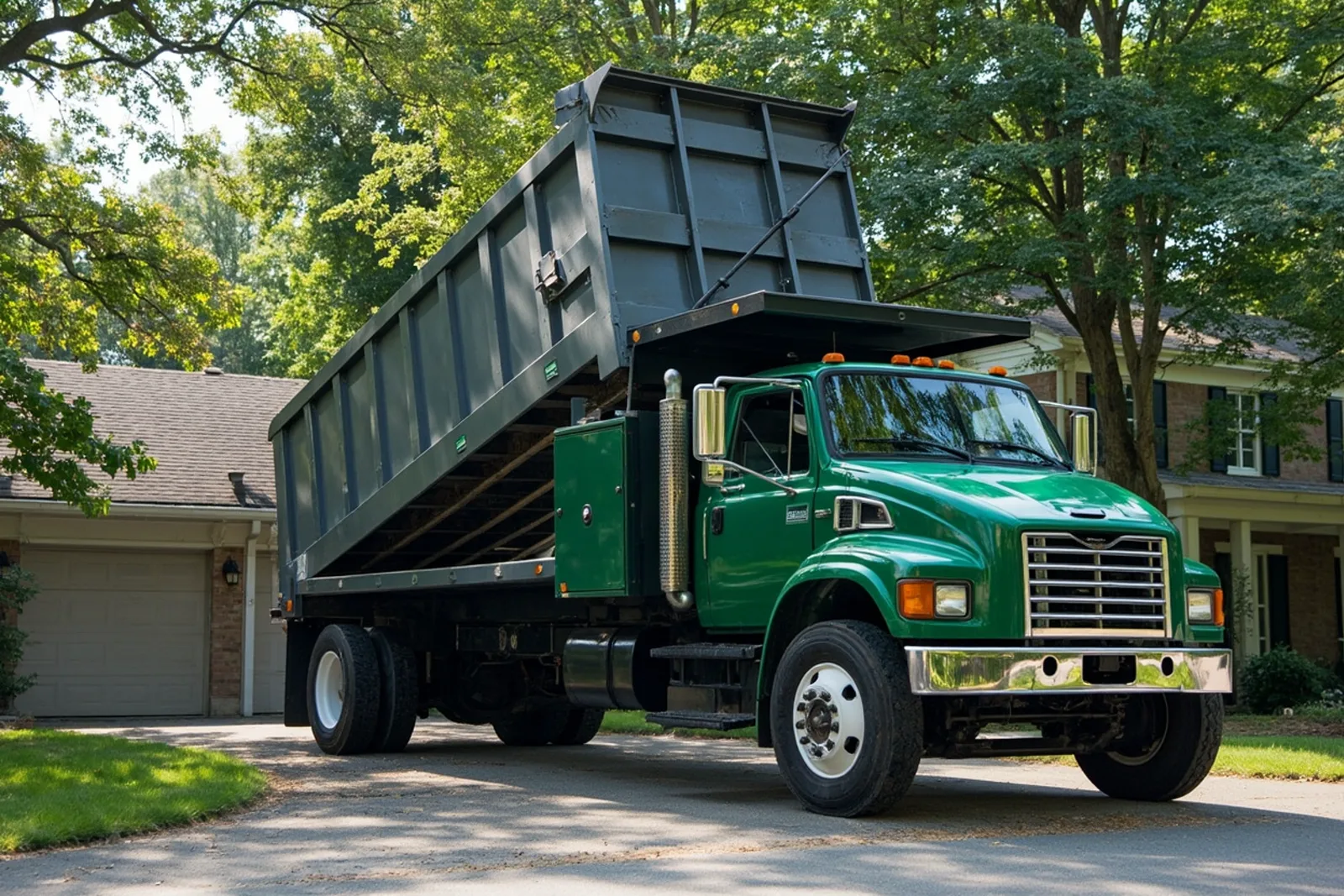
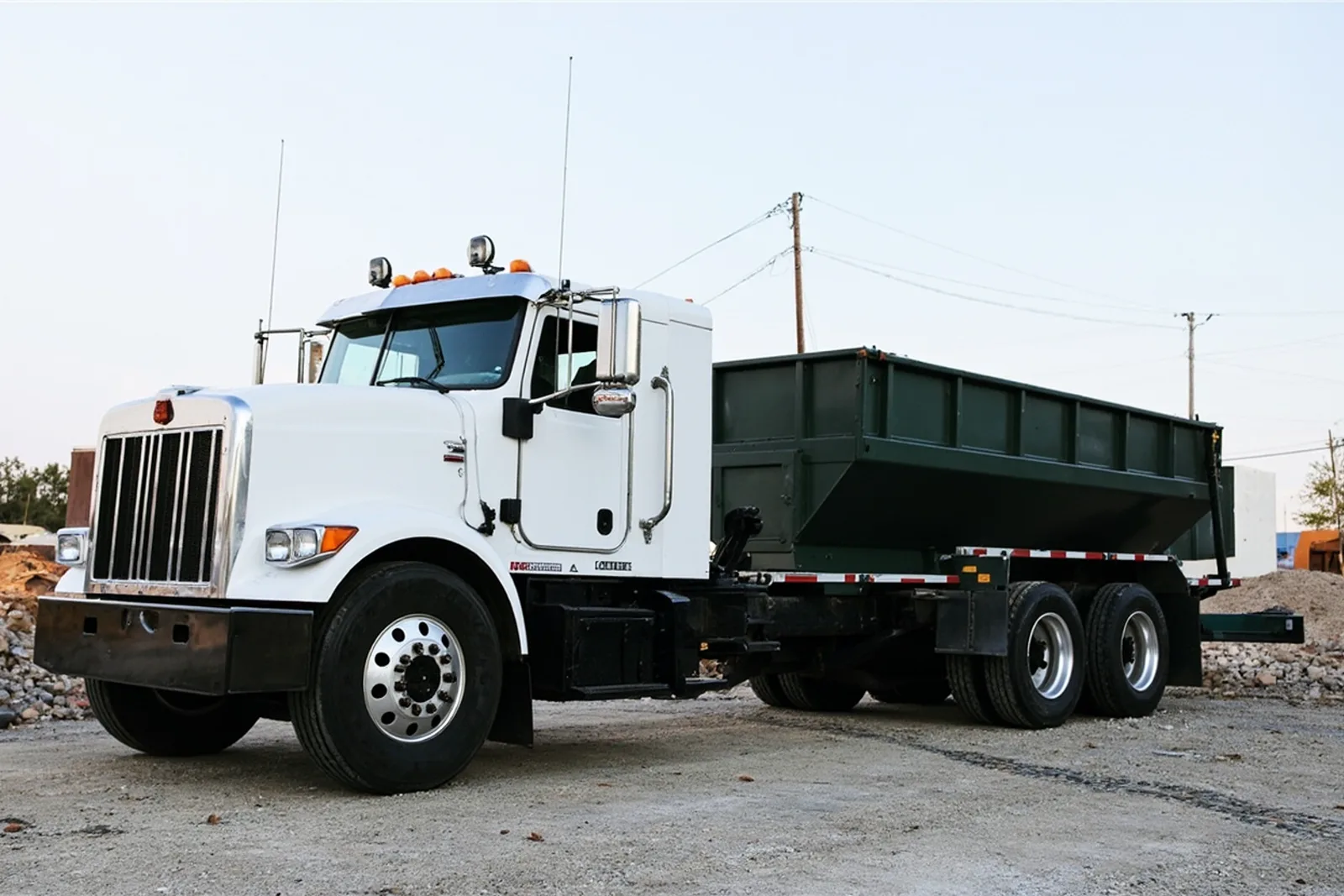
Pick the truck that matches the containers already in your yard. Cable roll-off trucks and hooklift trucks load containers differently, and their containers are not interchangeable. A cable truck winches a container onto its rails. A hooklift uses a hydraulic arm that grabs a bail bar on the front of the container. If your yard is full of cable containers, a hooklift will not help until you convert or replace them.
If much of your work is driveway drops, ask about wheelbase and turning radius. A truck that handles large commercial containers well can be awkward in cul-de-sacs and alleys. Also ask whether the truck has a tarp system, and whether it works. The roll-off trucks buying guide goes deeper on configurations.
How much weight can a roll-off truck carry?
It depends on the hoist’s rated capacity, the chassis weight rating, the axle configuration and the legal limits on your routes. Confirm each of those with the seller rather than relying on a listing. Concrete, roofing tear-off and dirt weigh far more than household cleanouts, so size the truck to the heaviest loads you haul.
Also confirm the longest container the rails and hoist can handle, and whether the truck’s weight rating matches the license class your drivers hold.
How much does a roll-off truck cost?
Roll-off truck prices vary with the chassis, hoist type and capacity, mileage, and whether the truck is new or used, so the reliable number is a written quote on a specific unit. Budget for containers as well, since a truck with too few cans cannot earn much. When you compare trucks, add expected repairs, insurance and resale value to the price.
Should you finance containers with the truck or separately?
Bundle containers with the truck when you buy both at once, and finance them separately when you are adding inventory to trucks you already own. There are three common options:
- Bundle containers with the truck. One agreement, one payment, simpler bookkeeping.
- Finance containers as a separate package. Useful when you need more inventory to meet demand.
- Pay cash for containers, finance the truck. Containers cost less per unit and are easier to add in small batches.
Lenders will want sizes, quantities, whether containers are new or used, and who built them. Terms vary by lender and deal.
What should you inspect on a used roll-off truck?
Inspect the hoist cylinders, rails, cable or hook system, frame and title first, because the hoist and rails take the hardest beating.
| Area | What to look at | Question to ask the seller |
|---|---|---|
| Hoist cylinders | Leaks, scoring on rods, drift under load | When were the cylinders last resealed or replaced? |
| Rails and rollers | Cracks, bent sections, worn rollers, weld repairs | Has the subframe or rail assembly been repaired? |
| Cable or hook system | Frayed cable, worn sheaves, hook wear | When was the cable or hook last replaced? |
| Engine and drivetrain | Service records, emissions system, leaks | Can I see maintenance records and repair invoices? |
| Frame | Cracks near hoist mounts, rust, modifications | Has the frame been lengthened or reinforced? |
| Title and liens | Clean title, lien releases, matching VIN | Is there a loan on the truck, and who holds the title? |
A third-party inspection protects you and gives the lender a clearer picture of the collateral. If the seller is another hauler, our article on private-party equipment financing covers the extra steps.
What to have ready
- A seller quote or invoice with year, make, model, VIN, mileage and hoist details
- Photos of the truck, hoist, rails, frame and odometer
- Your business name, entity type and time in operation
- Recent business bank statements, every page
- A list of containers you own and those you want financed
- Any hauling contracts, commercial accounts or permits
How do you compare roll-off financing quotes?
Compare full terms side by side, not just the payment. Ask each lender whether it is a loan or lease and what happens at the end, the total of all payments, fees, any prepayment penalty, whether containers are included, and what insurance is required. A slightly higher payment with no prepayment penalty can be the better deal if you expect to pay the truck off early.
Getting a quote
Send a Quick Quote on the contact page with the truck details, the seller, and any containers you want included. A real person at Ironmark follows up to talk through the request. All financing is provided by third-party lenders and is subject to their review and approval.
Frequently asked questions
Can I finance used dumpster containers along with the truck?
Often, yes. Some lenders will include containers in the same agreement as the truck, and others prefer to handle them as a separate equipment package. Bring a list of container sizes, quantities, builders and condition so the lender can see exactly what is being financed.
Does a hooklift truck finance differently than a cable roll-off?
The financing structure is generally the same, since both are titled trucks with a hoist system. What changes is the collateral review: lenders and appraisers want to know the hoist type, its rated capacity and its condition. Make sure the invoice or bill of sale describes the hoist clearly, including make and model.
Can you get roll-off truck financing with bad credit?
It depends on the lender and the rest of the file. Lenders weigh credit alongside time in business, cash flow, experience and the truck itself. A credit problem can mean more questions, money down or different terms, and no one can honestly promise approval. A short written explanation of what happened helps the lender see the full picture.
Should I buy a roll-off truck from a dealer or a private seller?
Both can work. Dealers usually provide cleaner paperwork and invoices, while private sellers may ask less but need more verification of title, liens and condition. Many lenders will finance private-party purchases when the documentation is in order, so ask before you commit to a seller.
Can I rent a roll-off truck instead of buying one?
Some truck rental and leasing companies rent roll-off trucks, which can bridge a busy season or cover a truck in the shop. If you would keep a rented truck busy most of the year, financing one may cost less over time and builds equity. Compare the rental cost against a written financing quote.